
Early in my life, a book quietly reshaped how I thought about leadership, purpose, and conviction.
God’s Smuggler tells the true story of Brother Andrew, a Dutch missionary who risked his life smuggling Bibles into Communist countries during the Cold War. He operated without recognition, without guarantees, and often without safety. What struck me most was not the danger he faced, but the clarity with which he lived. He knew exactly why he was doing what he was doing, and that clarity governed every decision he made.
Reading his story forced me to pause and reflect on my own life. I was early in my career, surrounded by opportunity and ambition, yet constantly pulled in different directions. Like many young professionals, I was busy, but not always certain I was moving with purpose. The question that stayed with me was simple, but uncomfortable: What am I actually being called to do, and what will I hold onto when that calling begins to cost me something?
As I thought about leaders who had shaped history or quietly changed lives, a pattern emerged. The most effective leaders were rarely the loudest or the most celebrated in their moment. Their leadership was formed long before it was tested. They had settled their values early, so when pressure came, they were not negotiating their convictions in real time.
That lesson feels especially relevant today. We live in an environment that constantly demands reaction. Headlines shift daily. Opinions are amplified instantly. Leaders are expected to respond quickly, take sides, and adapt their message to the moment. In that kind of climate, it becomes easy to confuse activity with direction and visibility with impact.
For me, faith became an anchor during that season. Not as a public posture, and not as a talking point, but as a private framework for decision making. It shaped how I evaluated risk, how I measured success, and how I thought about responsibility beyond my own advancement. Faith did not simplify choices, but it gave me a reference point when the right path was not obvious.
In divided times, leadership does not require sharper rhetoric or louder conviction. It requires steadiness. It requires the discipline to stay focused on what matters most, even when that focus is not rewarded in the short term. The leaders who endure are those who decide early what they stand for and allow that clarity to guide them when consensus is impossible.
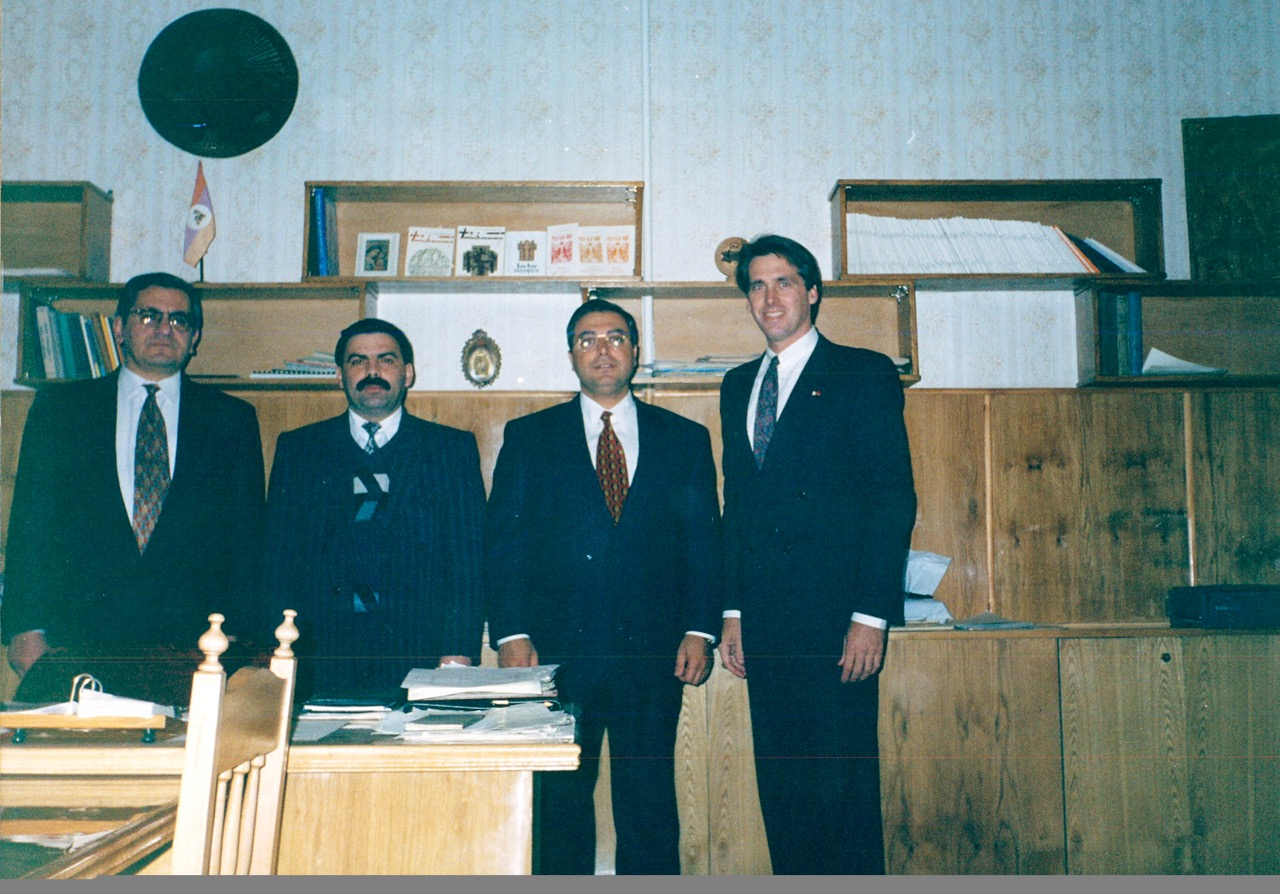
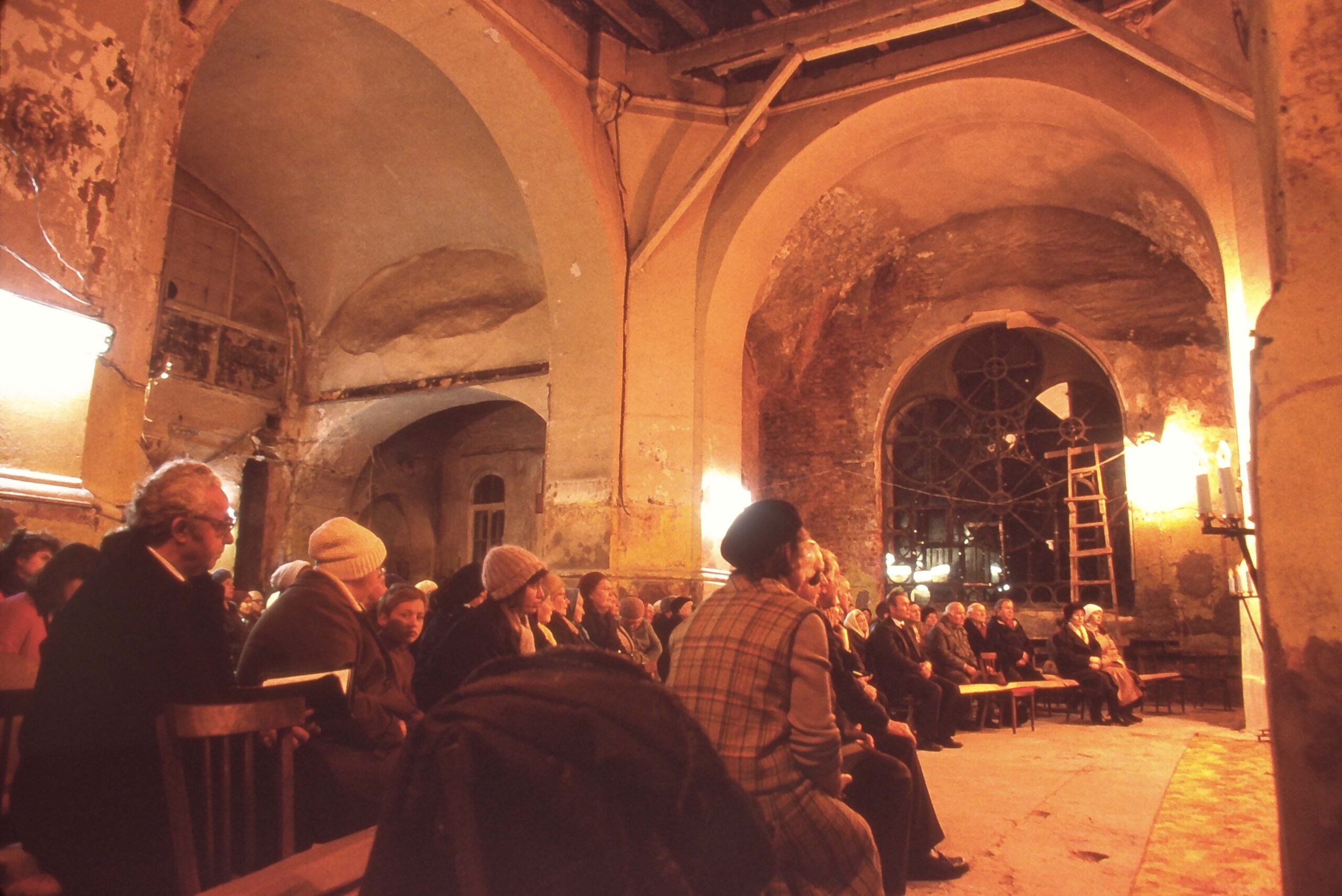
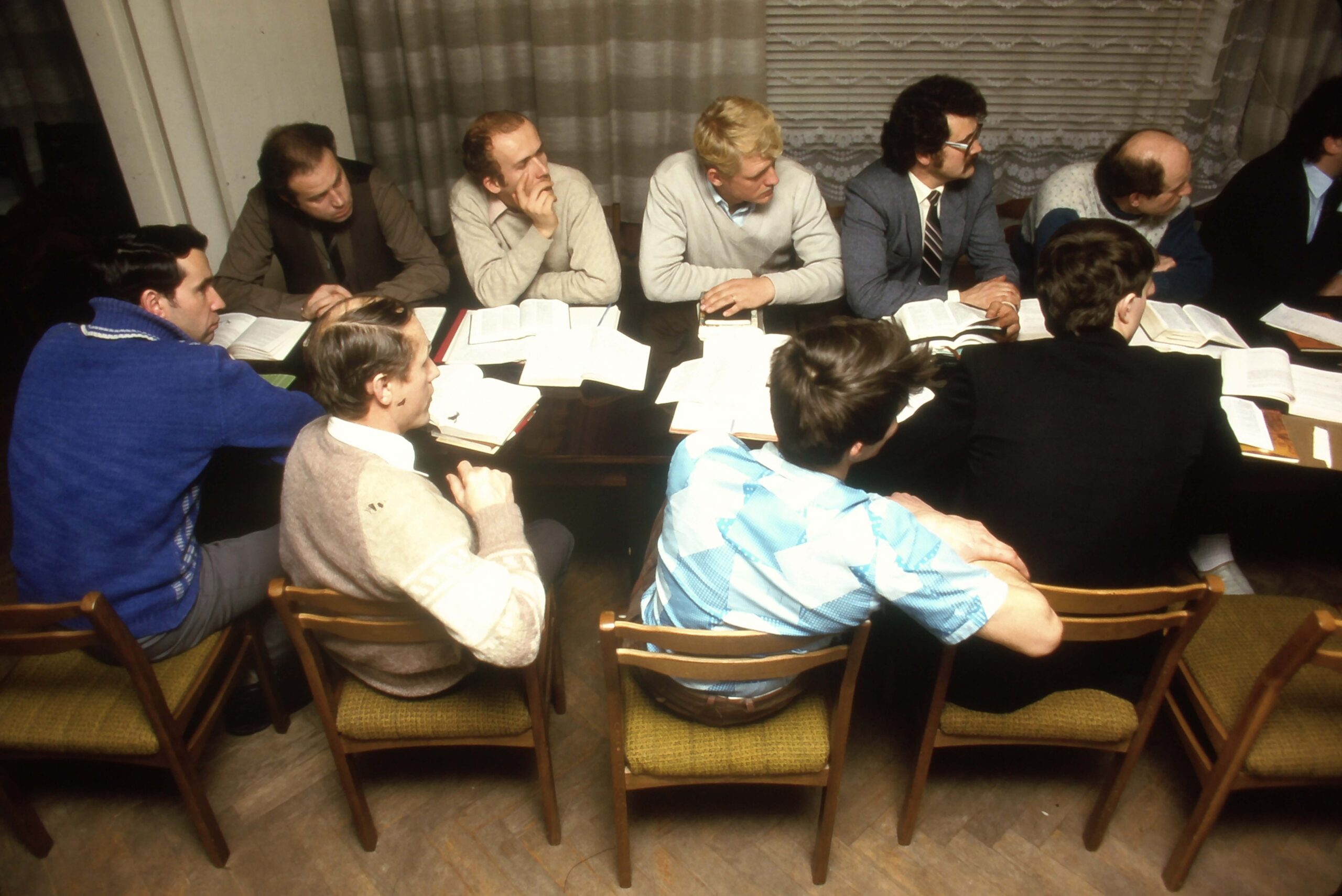
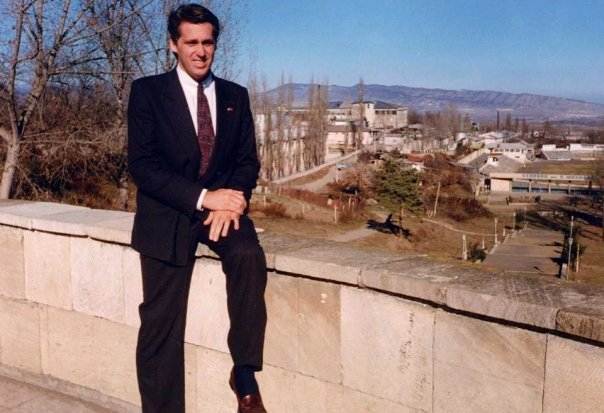
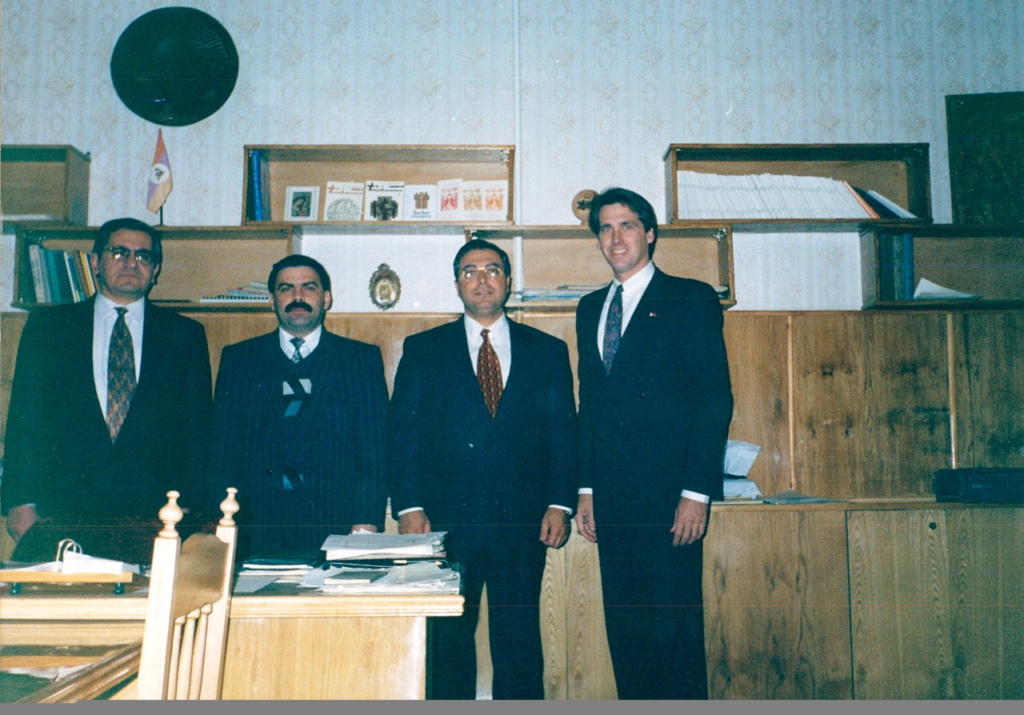
At the time, I did not know where this growing sense of purpose would lead. There was no clear plan, no defined path forward. But looking back, I can see that the foundation was already being laid. Long before I traveled behind the Iron Curtain, and long before business became a platform for something larger, the internal work had begun.
Purpose often arrives quietly, long before opportunity makes itself visible. The challenge is learning to recognize it and having the courage to take it seriously when it does.