Author: Glenn Camp

  • A Week with Pastors in Hanoi

    A Week with Pastors in Hanoi

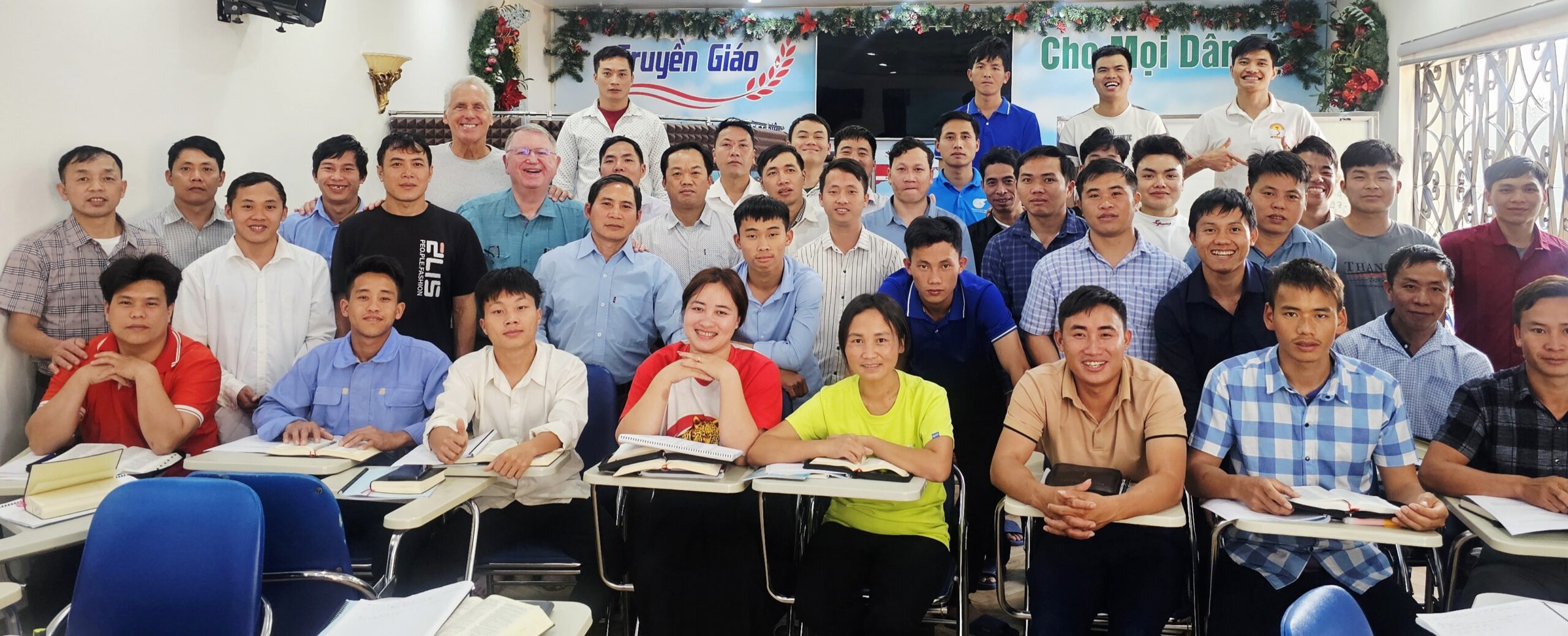
    Traveling to Hanoi in March 2026 with Dr. Monroe Brewer was one of those experiences that stays with you long after you return home. We spent the week with tribal pastors in North Vietnam, and from the moment we arrived, I felt the weight and sincerity of the gathering. Dr. Brewer has been making these trips for many years, and being there with him gave me a closer look at a part of the world and a community of believers that few people see firsthand. 
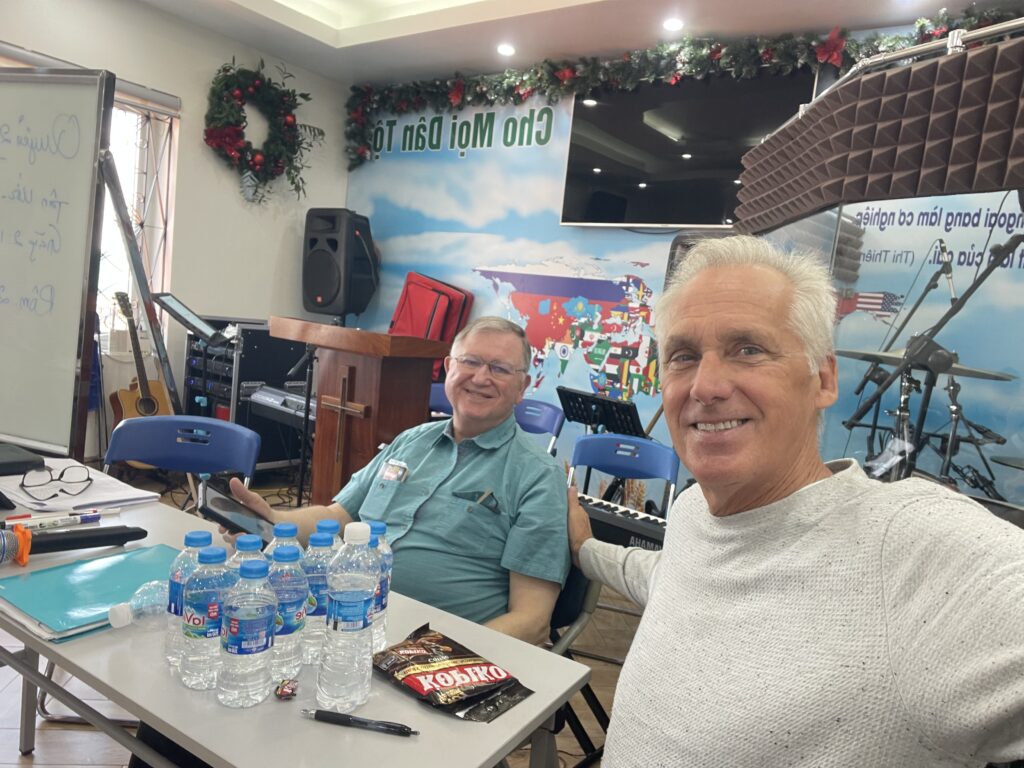
    The week’s seminary centered on the Book of Psalms. The pastors studied from a Vietnamese syllabus and spent reading, discussing, and learning together. There was something deeply moving about sitting in that room and watching the focus on their faces. Even without sharing the same language, you could feel the seriousness, the humility, and the hunger to learn. The Psalms seemed like the right place to be for that week: songs of worship, sorrow, trust, wisdom, and hope, all meeting people where they are. 

    What I remember most was not any single session, but the atmosphere. It was simple, warm, and full of purpose. Meals were shared. Conversations unfolded in between classes. There were quiet moments that said more than words could. When you travel, sometimes the strongest impressions come not from landmarks or schedules, but from the people you meet and the spirit they carry with them.
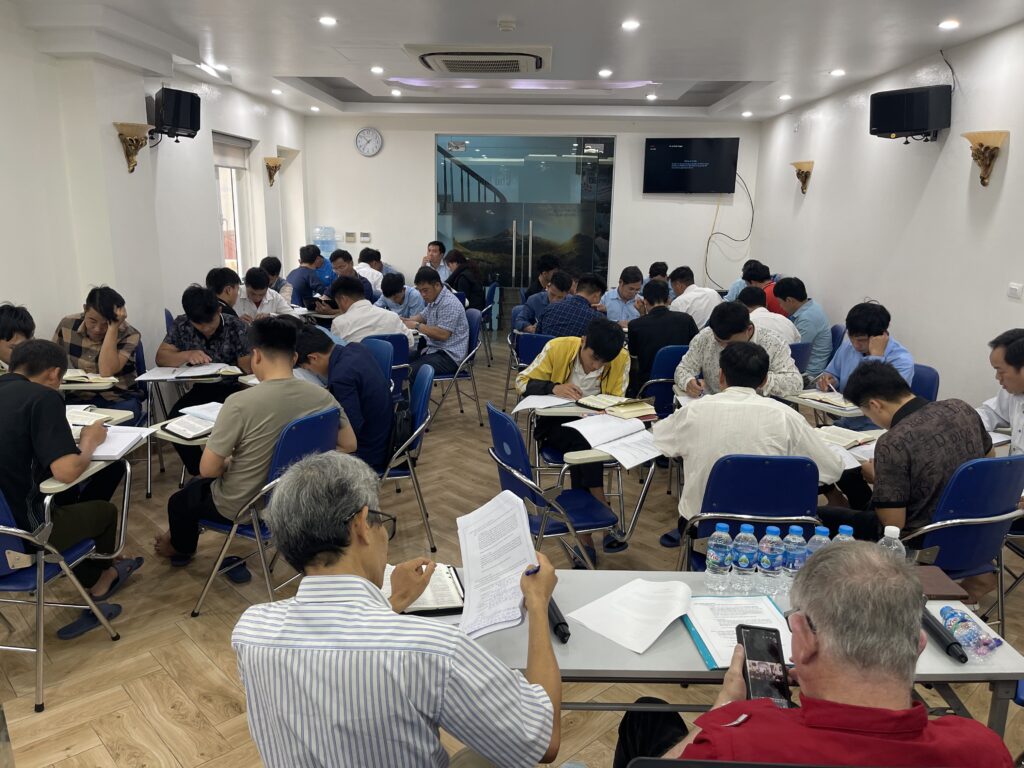
    Many of these pastors come from tribal communities in the highlands, including Hmong and Yao groups, and their lives have not been easy. Some have faced persecution, imprisonment, and deep hardship. Being in their presence gave those realities a human face. I found myself thinking less about distance and geography and more about endurance, faith, and how much courage can be carried in an ordinary conversation or a calm expression.
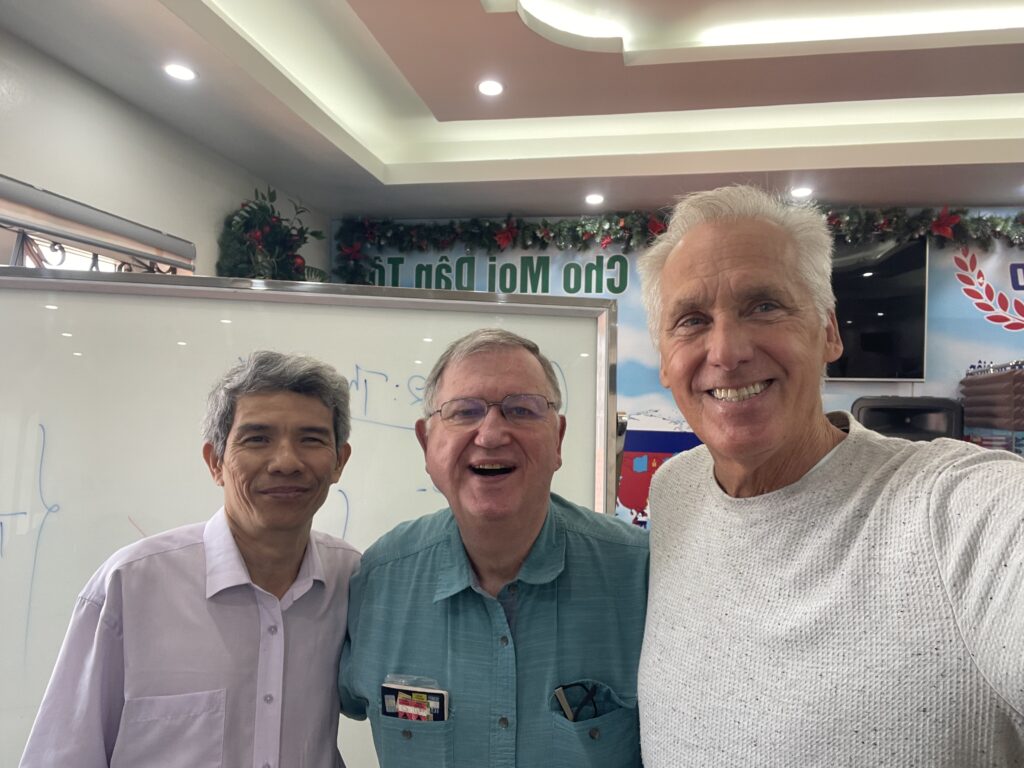
    Hanoi itself added another layer to the trip. It is a city full of motion, sound, and energy, yet inside that training setting there was a very different rhythm. It felt set apart. In one part of the city, life moved quickly as it always does. In another, a group of pastors had gathered to study  scripture, encourage one another, and prepare to return home to continue serving their people.

    I came away grateful to have gone. Grateful for Dr. Brewer’s long faithfulness in this work. Grateful for the pastors who welcomed us. Grateful for the reminder that some of the strongest people in the world are serving quietly.

    This trip to Hanoi was not just memorable because of where I traveled. It was memorable because of who I met, what I witnessed, and the sense that even in difficult places, faith continues to grow, endure, and bring people together.

  • Chapter 2: Preparing Before the Purpose Was Clear

    Chapter 2: Preparing Before the Purpose Was Clear

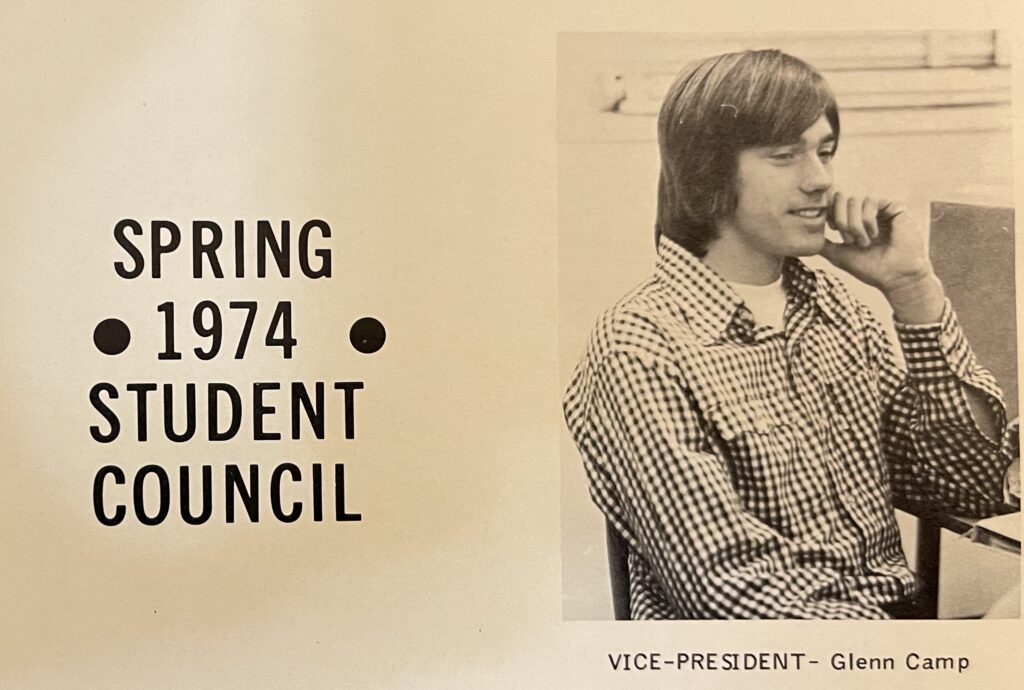
    When I was nine years old, my family took me to see The Sound of Music shortly after its release in 1965.

    I did not understand all of it. What stayed with me was the idea that a family could be forced to leave their country because of political tyranny. It was the first time I saw Europe not as a place on a map, but as a real and fragile world.

    After that, I started reading. World War II. Germany. Austria. The Soviet Union. I was simply curious.

    Around age eleven, I began mowing lawns in our neighborhood. One belonged to Joe, an engineer at Lockheed in Burbank. Joe had served in military intelligence during the Korean War. He spoke plainly about the Cold War, about Soviet equipment, about Berlin, about Cuba. There was no drama in the way he told it. Just facts.

    I was young, but I listened.

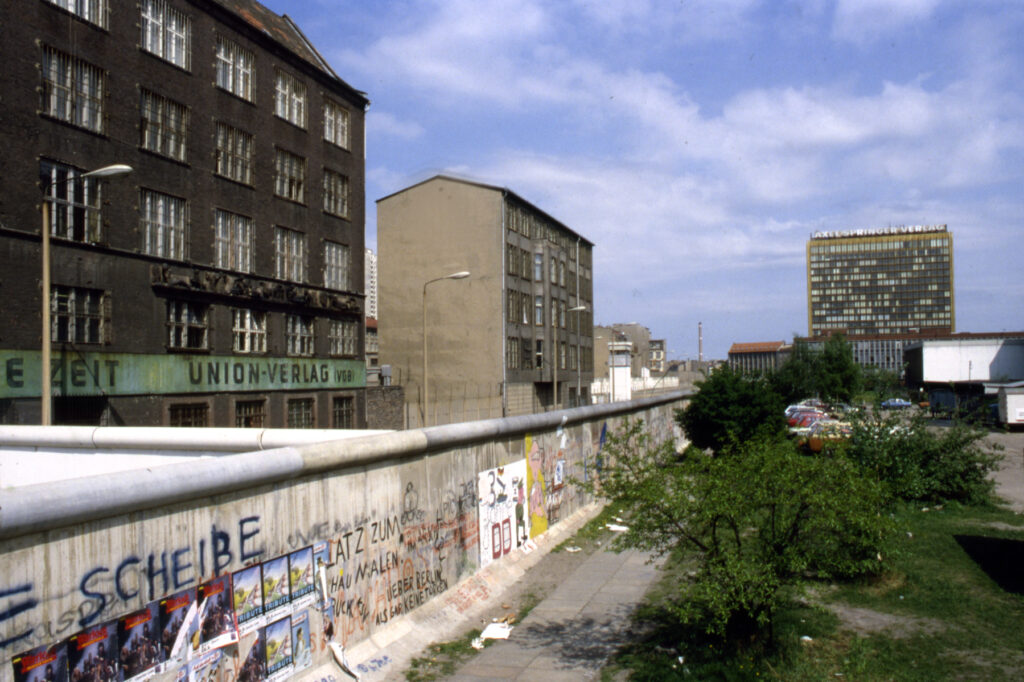
    Joe explained how U-2 pilot Gary Powers was shot down over the Soviet Union in 1960. He described the exchange of Powers for Soviet Colonel Rudolf Abel on the bridge between East and West Berlin. He talked about checkpoints, guard towers, divided streets. The Iron Curtain stopped being abstract.

    By the time I entered high school, I chose German as my language elective. There was no strategy behind it. I simply followed what held my interest.

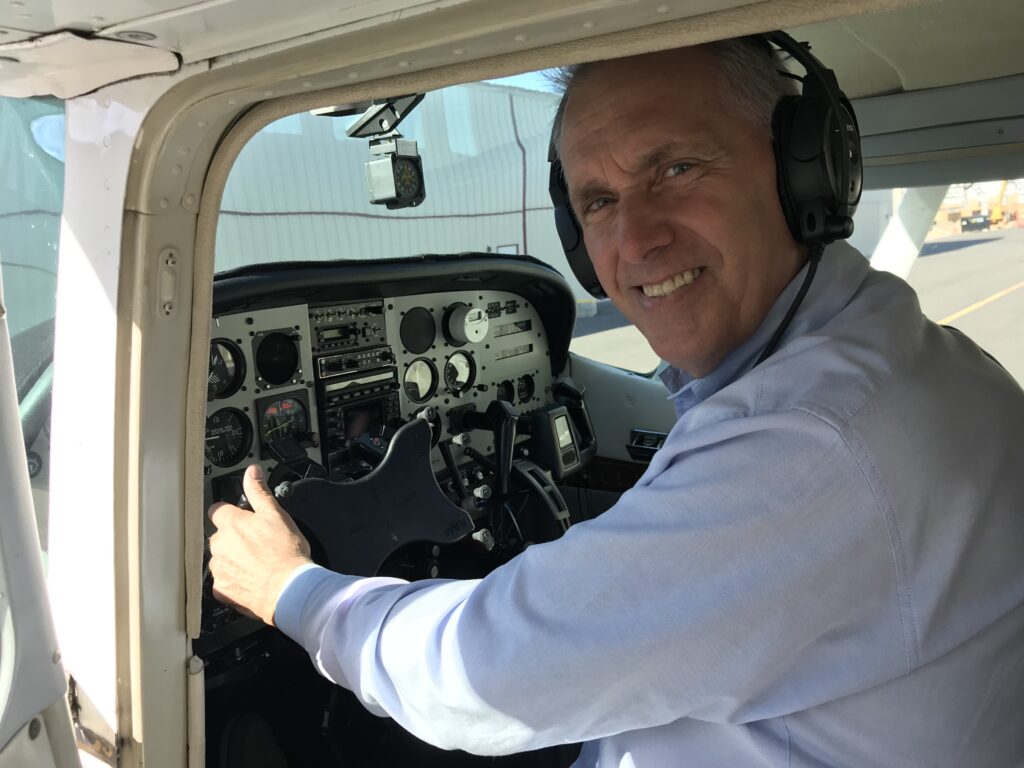
    Not long after, aviation took hold of me. Through Joe’s connections, I met Zane, who managed a flight school at San Fernando Airport. We made a practical agreement: for every airplane I washed and waxed, I earned one hour of flight instruction.

    At thirteen, I began logging time in a Cessna 150.

    Flying demanded precision. Checklists mattered. Weather mattered. Small mistakes had consequences. I earned my pilot’s license at nineteen, but the discipline formed much earlier, one hour at a time on the flight line.

    At fifteen, I rebuilt the engine of a 1958 Volkswagen Karmann Ghia in our garage. I built small rockets and flew model airplanes in the park. I stayed active in sports and the Boy Scouts. I liked understanding how systems worked, whether mechanical or geopolitical.

    None of it felt connected.

    After reading God’s Smuggler and becoming involved with Eastern European Seminary, my interest in the Soviet world deepened. I began studying Russian privately with a UCLA professor. By then I knew I would be traveling into Eastern Bloc countries. Language was no longer curiosity. It was preparation.

    Even then, I did not know where it would lead.

    At one point, our organization explored whether aviation could be used to deliver banned Christian books and seminary materials into restricted areas where land routes were monitored. Because of my flight background, I was asked to evaluate the feasibility. We studied airspace patterns, aircraft range, and risk exposure. The initiative carried a code name: Black Sea Vacation.

    In the end, we shut it down.

    The risk of midair conflict with commercial traffic was too high. The consequences of a mistake were unacceptable.

    Not every idea should move forward.

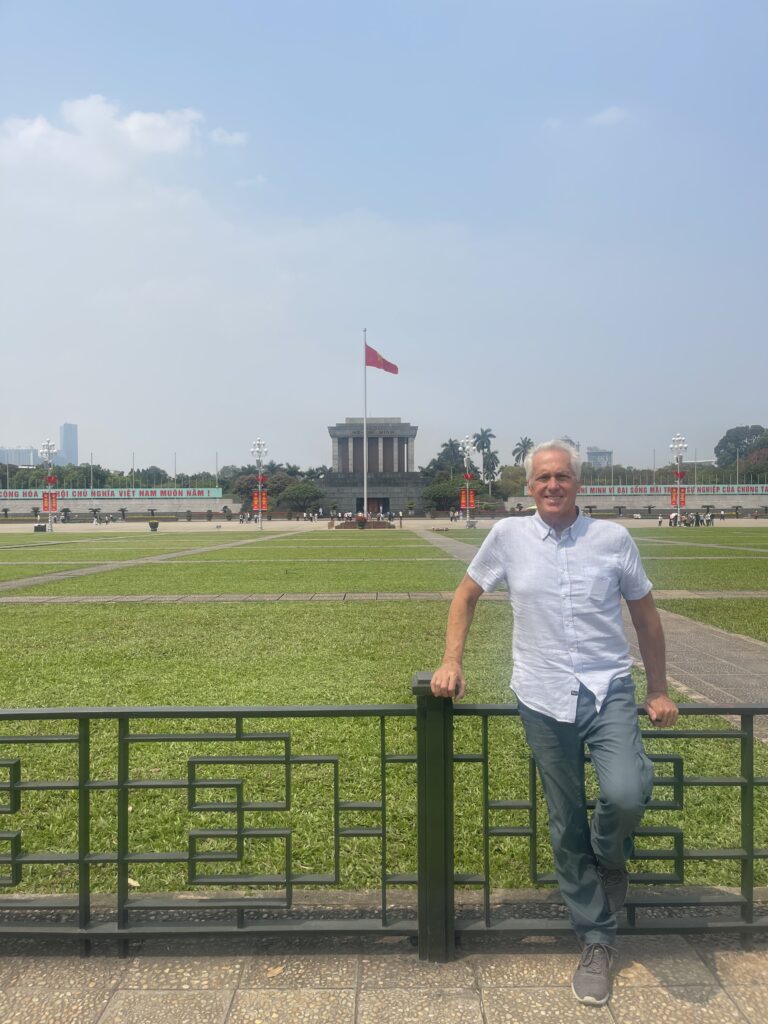
    Years later, I traveled into Eastern Europe and walked across the bridge between East and West Berlin. I remembered standing in Joe’s yard, listening to him describe that very crossing. What had once been a story told during a break mowing Joe’s lawn had become physical reality beneath my feet.

    Looking back, studying German, listening carefully, learning to fly, rebuilding engines, and studying Russian were not isolated interests. They were disciplines that accumulated quietly over time.

    At the time, none of it looked like direction.

    Today, many people feel pressure to know exactly where their life is headed.

    I understand that pressure.

    In my experience, preparation often comes long before clarity.

    At nine years old in a movie theater, I did not have a plan. I had curiosity.

    That was enough to begin.

  • Chapter 1: When Purpose Cuts Through the Noise

    Chapter 1: When Purpose Cuts Through the Noise

    Early in my life, a book quietly reshaped how I thought about leadership, purpose, and conviction.

    God’s Smuggler tells the true story of Brother Andrew, a Dutch missionary who risked his life smuggling Bibles into Communist countries during the Cold War. He operated without recognition, without guarantees, and often without safety. What struck me most was not the danger he faced, but the clarity with which he lived. He knew exactly why he was doing what he was doing, and that clarity governed every decision he made.

    Reading his story forced me to pause and reflect on my own life. I was early in my career, surrounded by opportunity and ambition, yet constantly pulled in different directions. Like many young professionals, I was busy, but not always certain I was moving with purpose. The question that stayed with me was simple, but uncomfortable: What am I actually being called to do, and what will I hold onto when that calling begins to cost me something?

    As I thought about leaders who had shaped history or quietly changed lives, a pattern emerged. The most effective leaders were rarely the loudest or the most celebrated in their moment. Their leadership was formed long before it was tested. They had settled their values early, so when pressure came, they were not negotiating their convictions in real time.

    That lesson feels especially relevant today. We live in an environment that constantly demands reaction. Headlines shift daily. Opinions are amplified instantly. Leaders are expected to respond quickly, take sides, and adapt their message to the moment. In that kind of climate, it becomes easy to confuse activity with direction and visibility with impact.

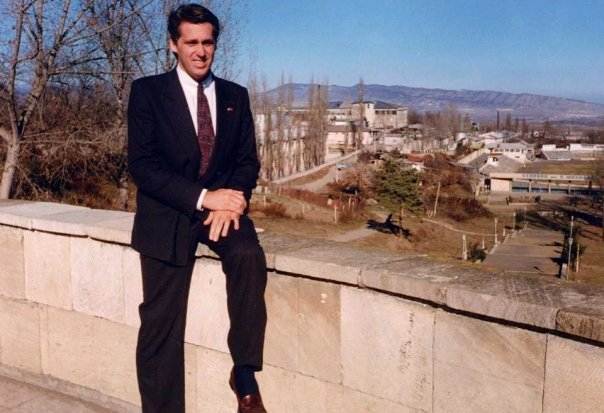
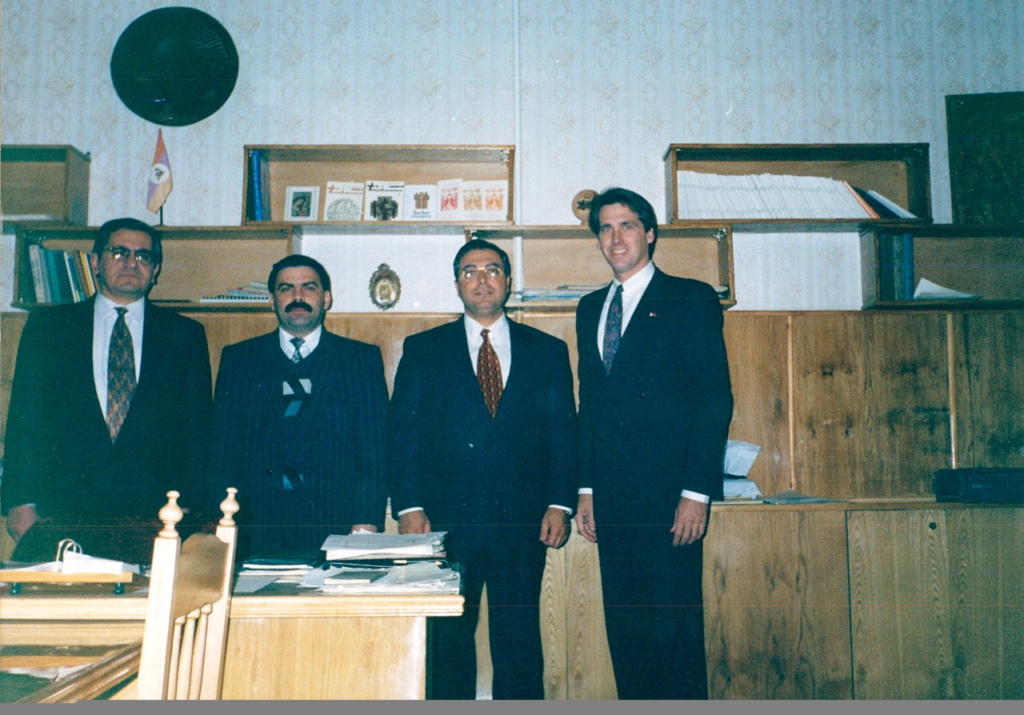
    Yerevan, Soviet Republic of Armenia

    For me, faith became an anchor during that season. Not as a public posture, and not as a talking point, but as a private framework for decision making. It shaped how I evaluated risk, how I measured success, and how I thought about responsibility beyond my own advancement. Faith did not simplify choices, but it gave me a reference point when the right path was not obvious.

    In divided times, leadership does not require sharper rhetoric or louder conviction. It requires steadiness. It requires the discipline to stay focused on what matters most, even when that focus is not rewarded in the short term. The leaders who endure are those who decide early what they stand for and allow that clarity to guide them when consensus is impossible.

    At the time, I did not know where this growing sense of purpose would lead. There was no clear plan, no defined path forward. But looking back, I can see that the foundation was already being laid. Long before I traveled behind the Iron Curtain, and long before business became a platform for something larger, the internal work had begun.

    Purpose often arrives quietly, long before opportunity makes itself visible. The challenge is learning to recognize it and having the courage to take it seriously when it does.