
When I look back on my life, I can see how certain doors opened without warning and changed everything that came after.
I was 23 years old, newly married, building a financial services practice in Beverly Hills, and trying to be faithful with the opportunities already in front of me. At the time, I had no sense that my life was about to take a very different direction.
Through Grace Community Church in Los Angeles, I was asked to serve on the missions finance committee. We met every Wednesday morning at 6:00 a.m. for two hours to help oversee the church’s global missions budget, which at that time was $1.7 million. For where I was in life, it was an early introduction to real responsibility.
A few years later, in 1984, another opportunity came to me, and this one was unlike anything I could have anticipated.
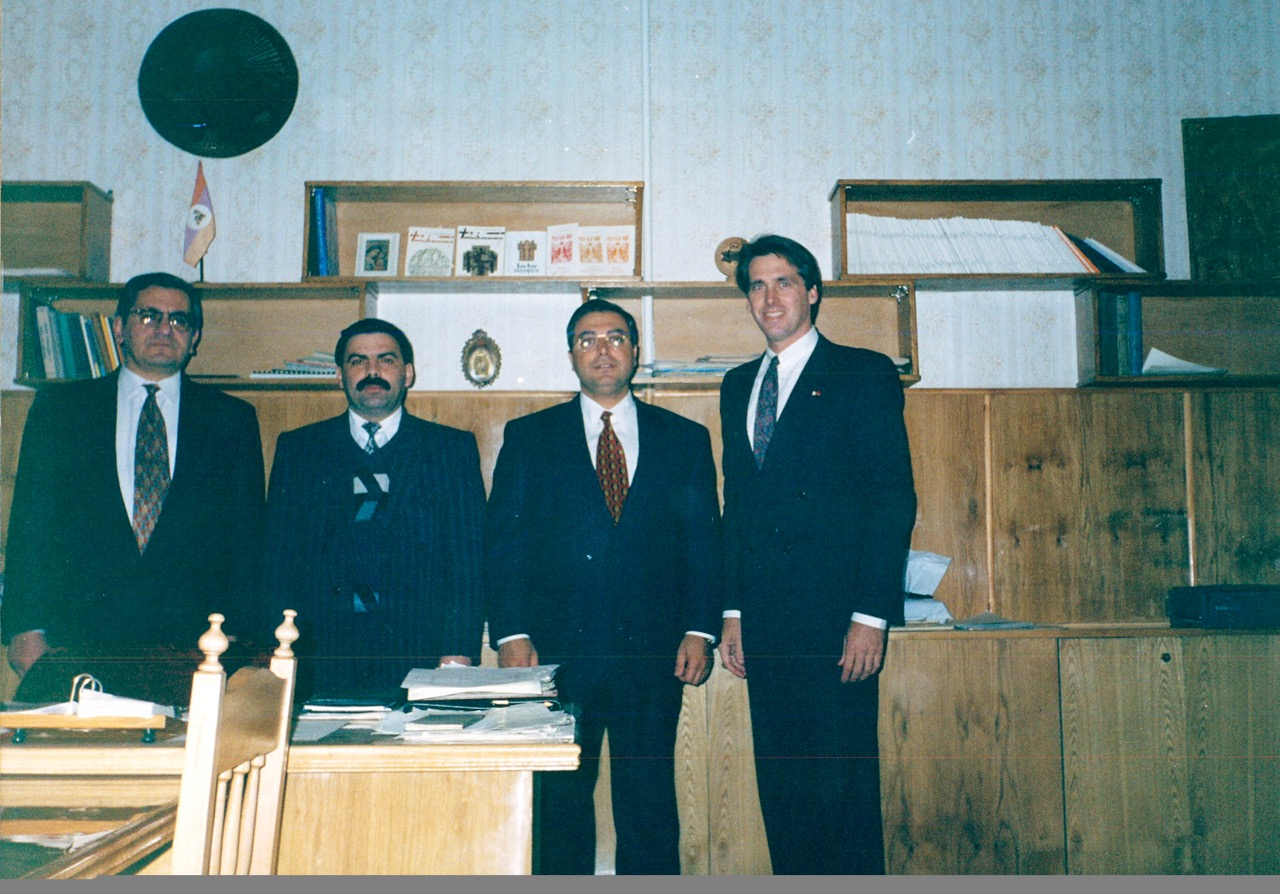
The head of the missions department asked whether I would represent the church by serving on the board of Eastern European Seminary, an underground organization based in Vienna, Austria. The board met every six months in Vienna, and part of my role would be to help support its work in Romania.
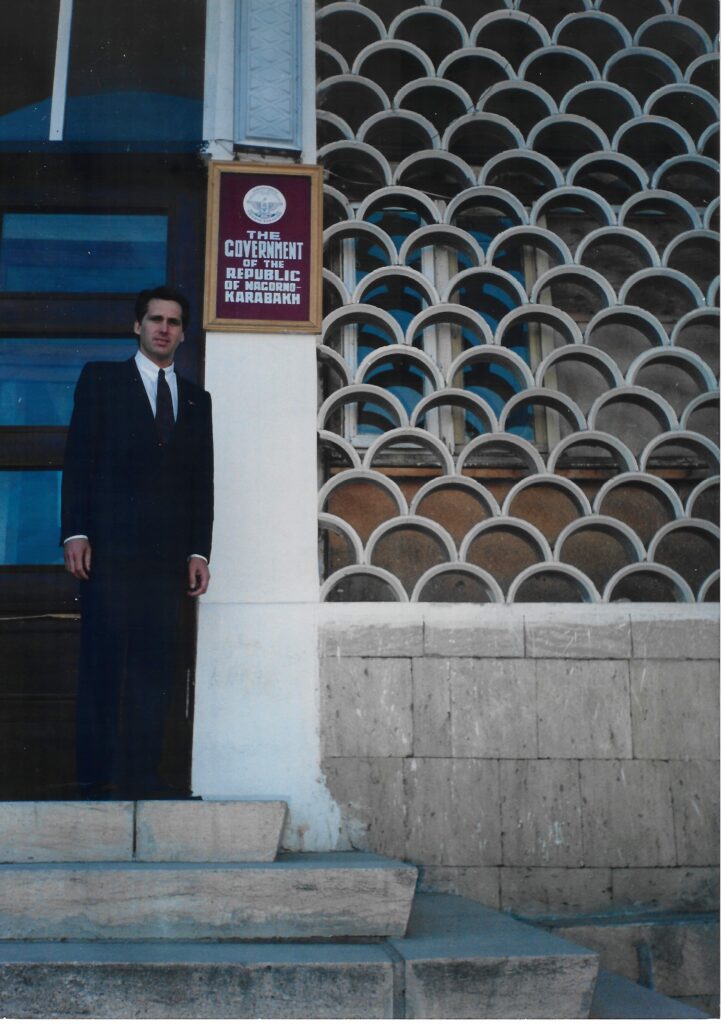
At the time, I could not have imagined where that invitation would lead. What began as a board position soon became regular travel behind the Iron Curtain. On average, I was making four trips a year into Romania and other parts of Eastern Europe, stepping into a world that most people around me never saw and equally heard less about.
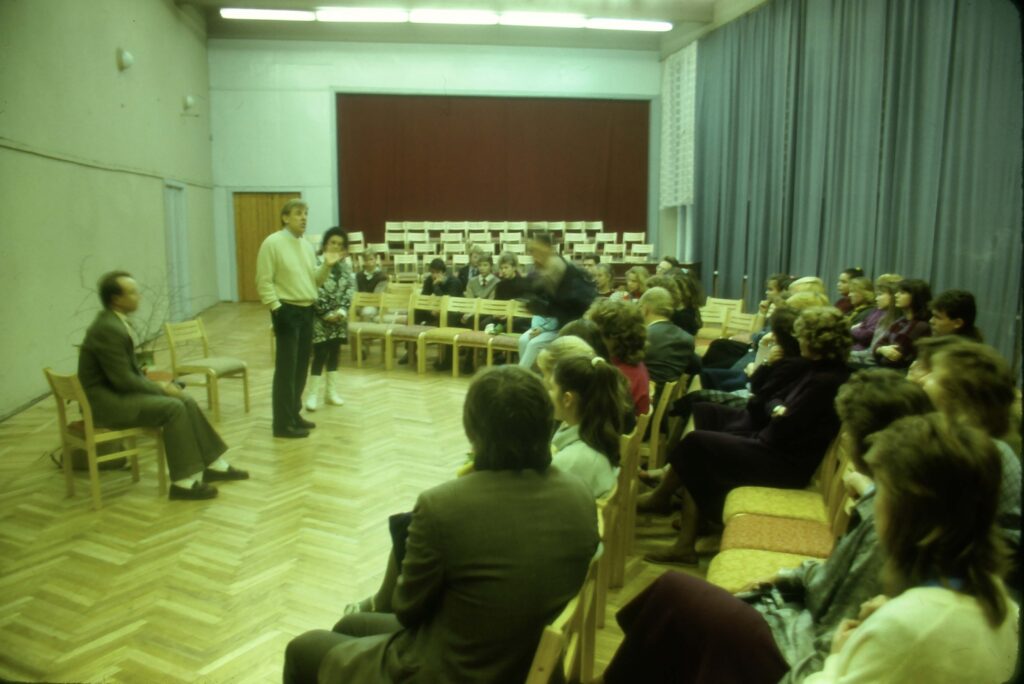
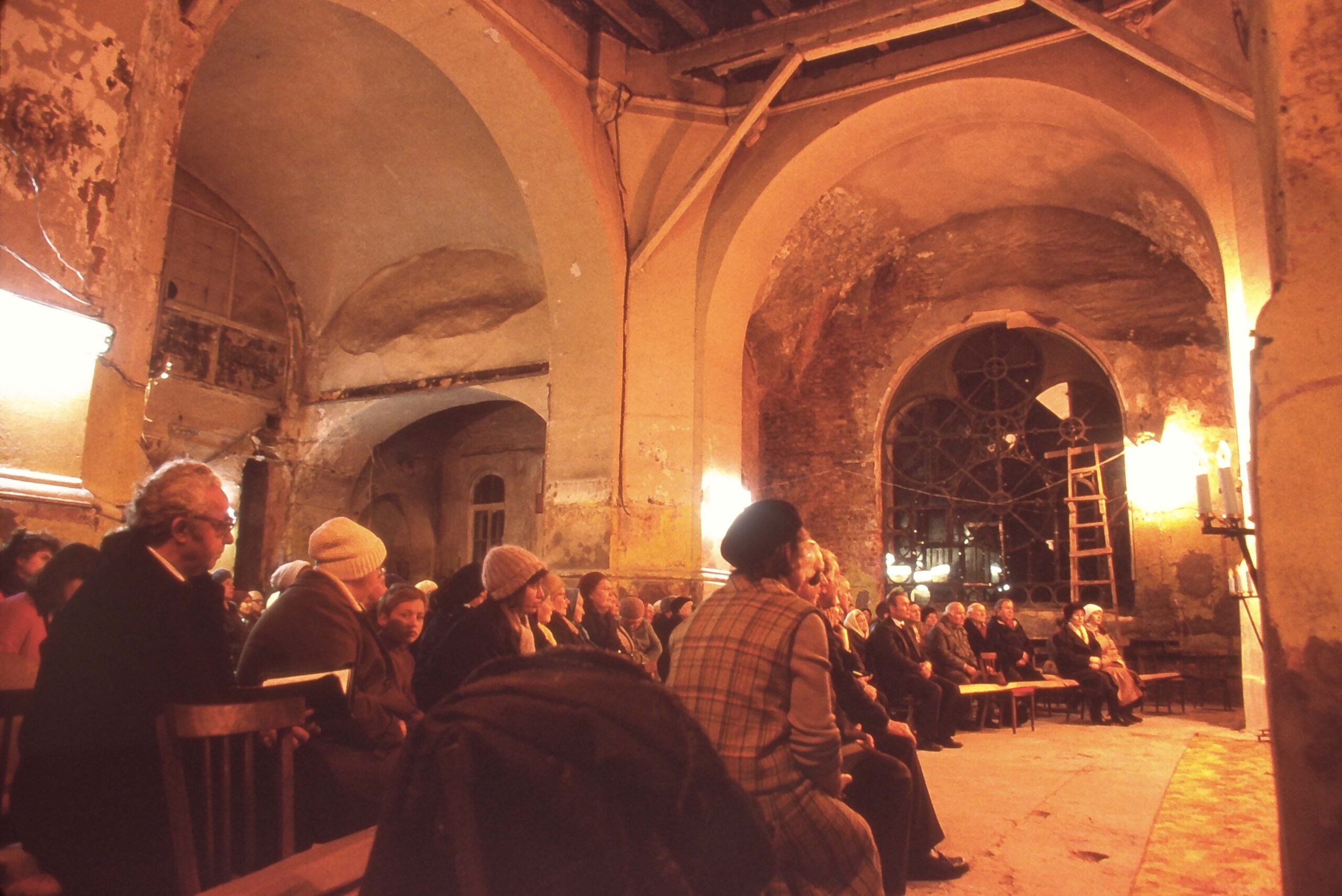
Eastern European Seminary had been created after the Second World War to train the next generation of pastors across the Eastern Bloc. After the war, the Communist governments installed by the Soviet Union had shut down theology schools and closed or repurposed many churches. In some places, church buildings were turned into museums. There was a deep spiritual hunger, but very few resources and even fewer safe ways to provide them.
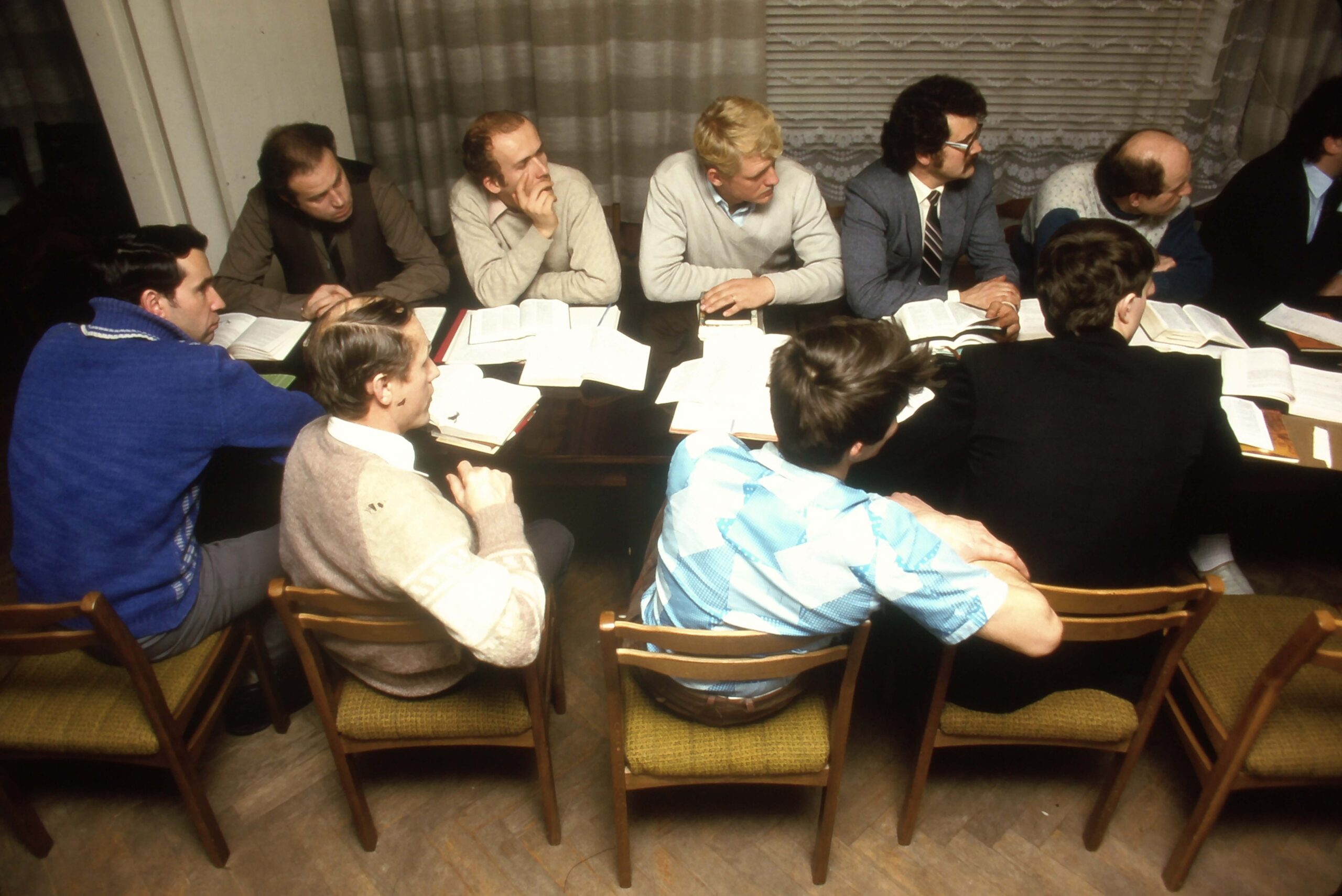
The Seminary existed to serve underground church leaders. It trained pastors one by one and distributed theological materials translated into their own languages. That work came with real danger. If local pastors were discovered with these materials, the consequences could be severe.
The organization developed a curriculum of 45 textbooks and workbooks translated into six languages. Getting those materials into Eastern Bloc countries required creativity, patience, and extraordinary discretion. They were moved through special trucks, modified vans, boats, and carefully protected channels. Aliases were used. Details were compartmentalized. People understood the risk.
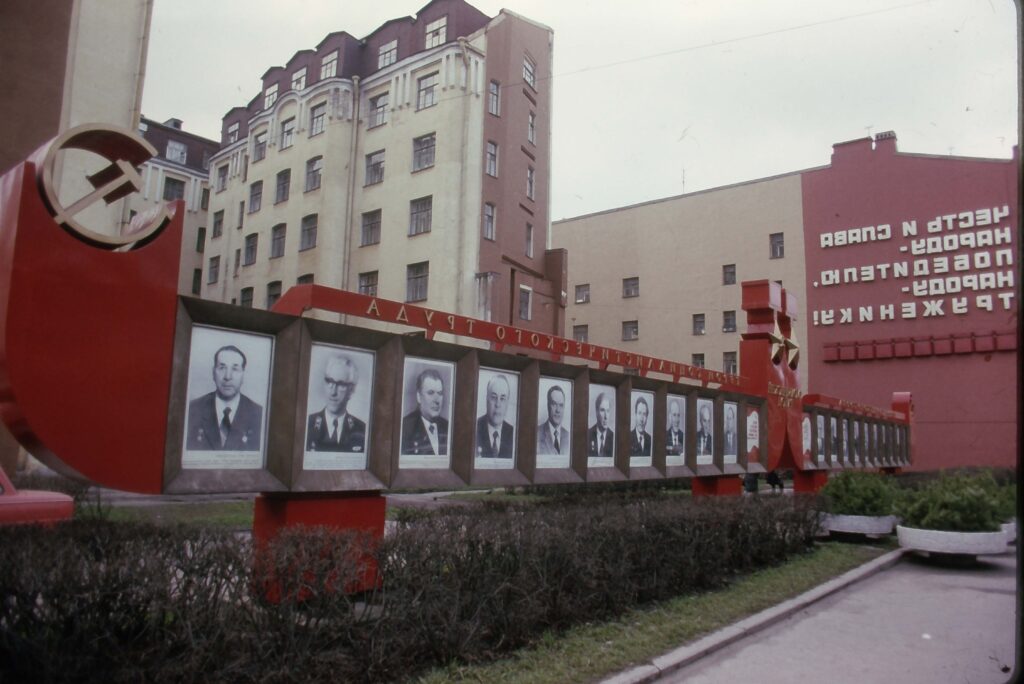
My own travels allowed me to participate in several of these underground teaching seminars. Those experiences left a permanent mark on me. I met leaders whose perseverance and faith shone brightly. Their courage had been tested by pressure, surveillance, and the constant shadow of consequences if caught. Yet they continued serving, teaching, and shepherding others.
I came away from those trips deeply encouraged, and in many ways humbled. I had grown up with freedoms I had always assumed were a given. In Eastern Europe, I saw what conviction looked like when it had to survive under constraint.
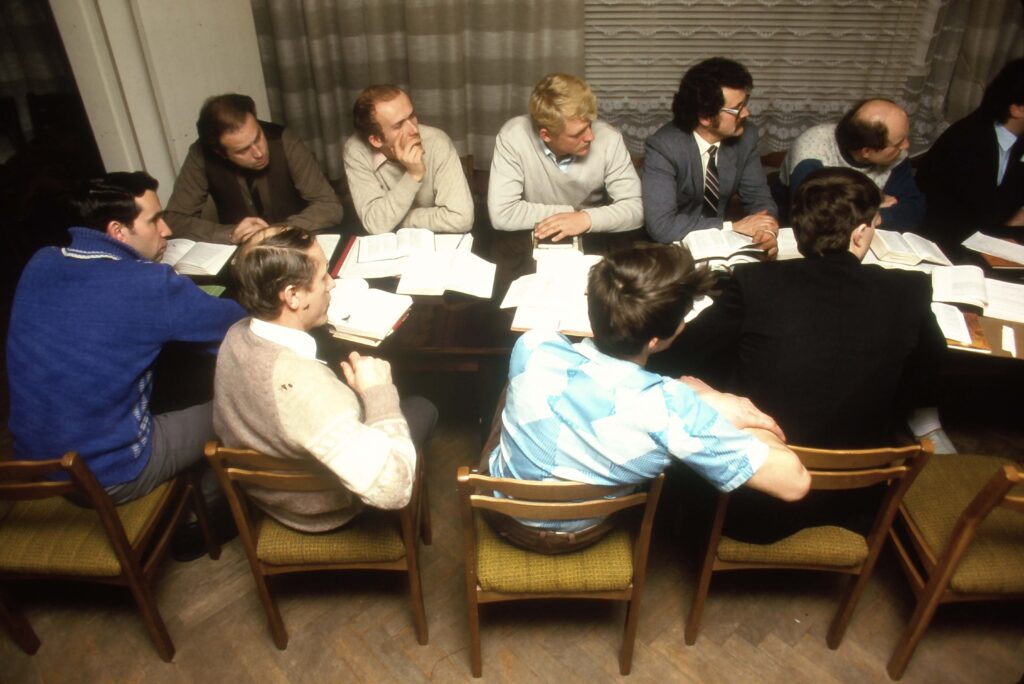
Before the Berlin Wall fell in 1989, Eastern European Seminary, with more than 250 staff members in Vienna, had helped train over 10,000 pastors across the Soviet Union and Eastern Bloc over a 20 year period. It was an extraordinary work, though much of it had to remain unseen.
That was true for my own role as well. I was never free to describe exactly what I was doing when I traveled into the East. I did not talk about cities. I did not name people. I kept details to myself because protecting others required it. Silence was part of the assignment.
That period of my life also forced me to think differently about work, responsibility, and the shape of my future. If I was going to continue traveling behind the Iron Curtain, I needed a legitimate business reason to be there. That realization led me to create a trading company with an office in Amsterdam, where the banking and trade relationships with Eastern Bloc countries made that possible.
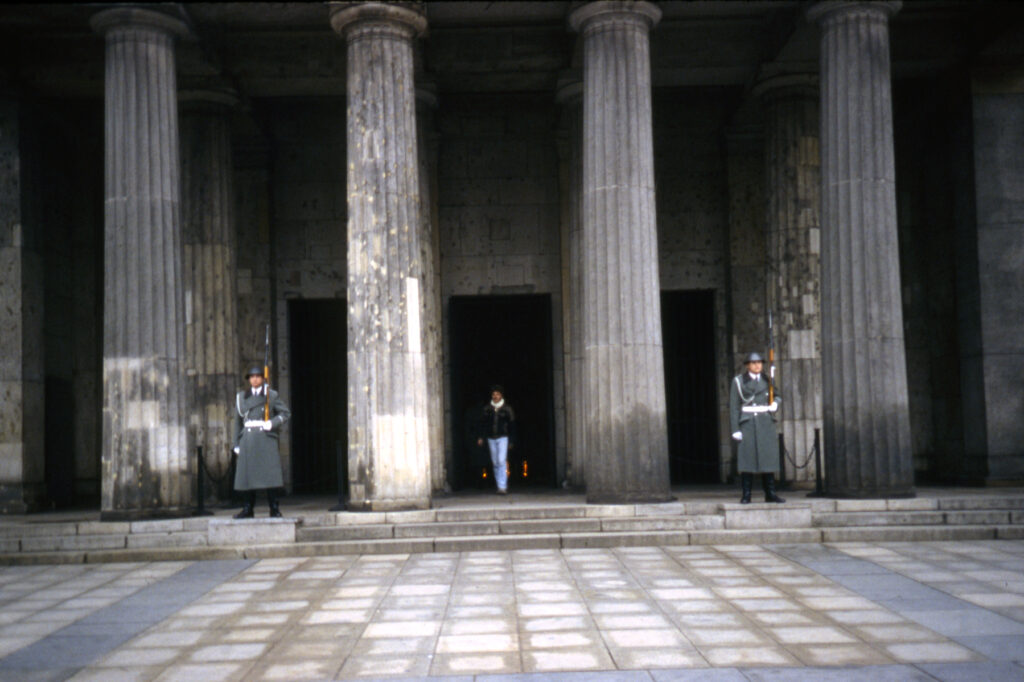
Very quickly, I came to understand that Communist economies did not function like Western markets. There was no real hard currency system operating in the way we understood it. These were state managed economies shaped by fixed five year plans, political directives, and chronic inefficiencies. Traditional assumptions about supply, demand, pricing, and capital allocation did not apply in the usual way.
To operate within that environment, I began developing barter based trade structures. Certain commodities could move from Eastern Bloc countries into Western markets, be sold for U.S. dollars, and then be used to create much needed access to hard currency. What started as a practical necessity became an entirely new line of business and, in many ways, a bridge that made further work possible.
Looking back, I can see that this period of my life began with a question I never expected to be asked.
Would I serve?
At the time, I did not know where that yes would lead. I only knew that an opportunity had arrived, and it deserved a serious answer.
What began as service on a church finance committee became a mission I never could have scripted for myself. And that mission opened the door to a much larger calling than I had the wisdom or experience to foresee.
Some of the most important turns in life do not arrive with a plan. They arrive as an invitation.