
When I began traveling into Eastern Europe, I quickly learned that very little could be done in the usual way. We could not establish a visible office in the countries we were serving or openly announce meetings. We could not move freely from place to place without attracting attention. Even carrying a name and address across a border could place someone else at risk.
The work still had to continue. We simply had to learn how to continue under constraint.
Eastern European Seminary had been wrestling with that challenge long before I joined its board in 1984. Beginning in the early 1970s, teams based in Vienna had developed what they called a travel-training ministry.
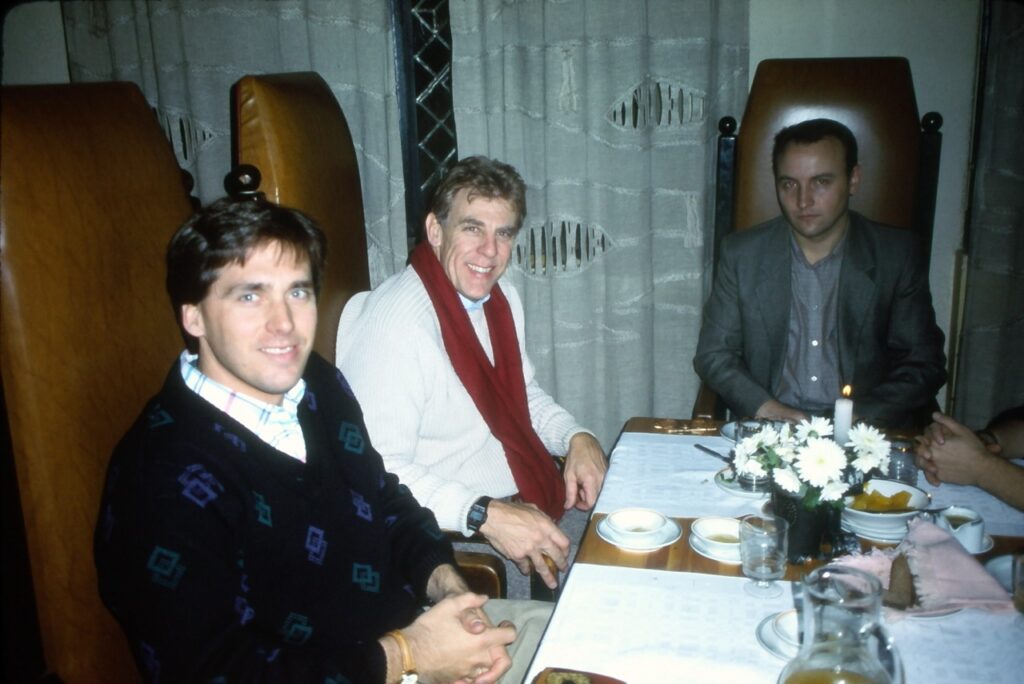
Because missionaries could not live openly in most Soviet-controlled countries, they entered for brief periods, met with pastors and other Christian leaders, and then left. A different missionary or teacher might return several weeks later to continue the training.
The goal was to prepare local leaders who could teach others.
A visiting teacher would always be limited by borders, time, surveillance, and political conditions. A local leader already understood the language, culture, pressures, and people. If the ministry was going to endure, responsibility had to move into local hands early.
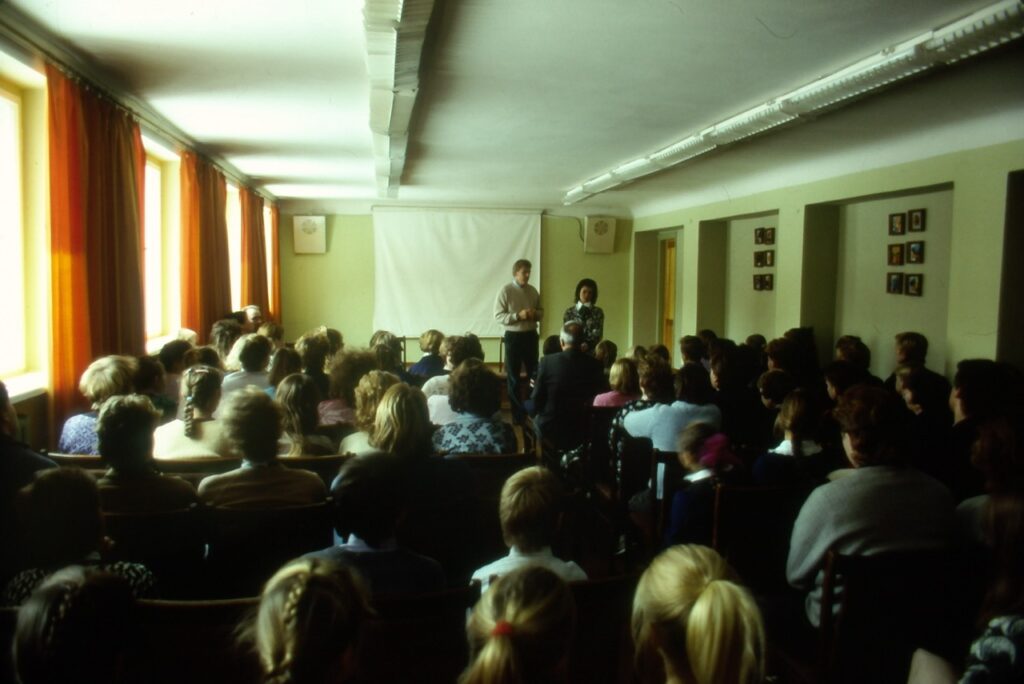
By the time I became involved, missionaries were traveling throughout Eastern Europe and eventually into the Soviet Union. As I learned more about the ministry and began making those trips myself, I saw why the approach could not be standardized. Each country presented a different set of conditions.
In Poland, there was some opportunity to work with students in a Bible school. In East Germany, the ministry often had to operate within the programs of established Lutheran churches. Romania was more restrictive, but the response among believers was often the strongest.
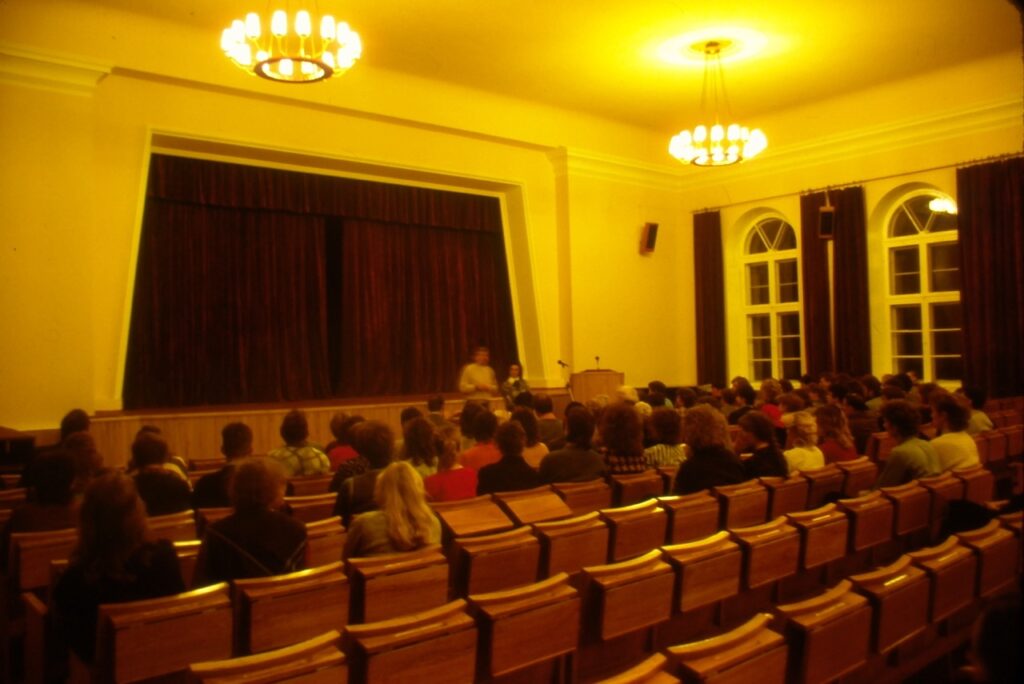
There was no single method that worked everywhere. That was one of the first lessons I took from the experience.
Good intentions were not enough. We needed to understand the conditions on the ground, listen to the people who lived there, and adjust our methods without losing sight of why we had come.
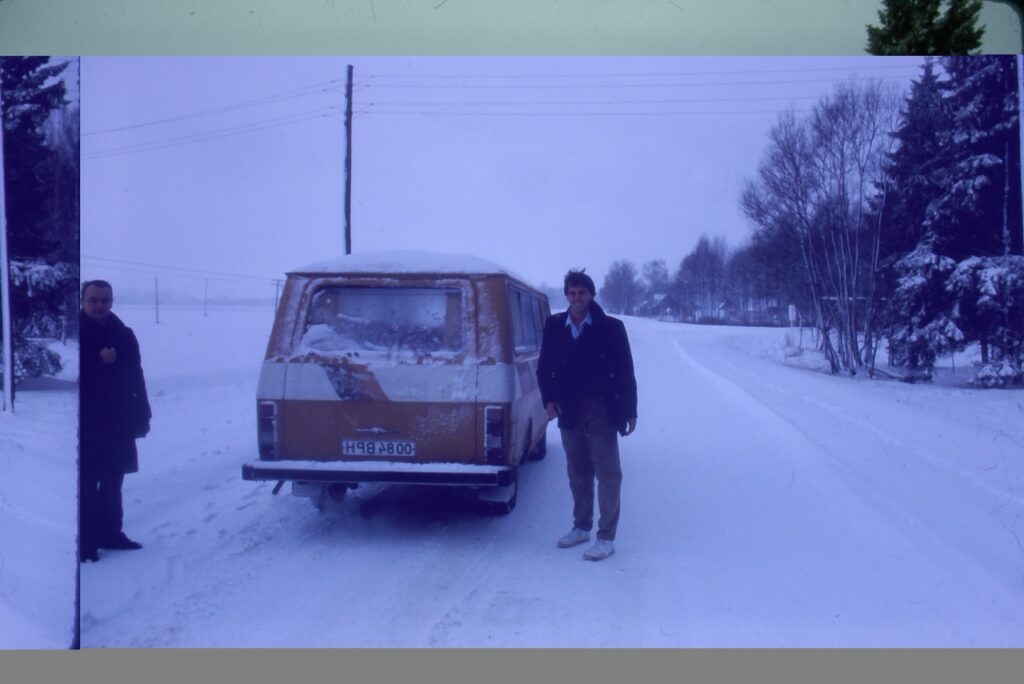
Before entering a country, missionaries would often memorize names and addresses or record them in code. Border inspections could take hours. Vehicles were searched, and questions were repeated. When two missionaries traveled together, border guards sometimes separated them to see whether their answers were consistent.
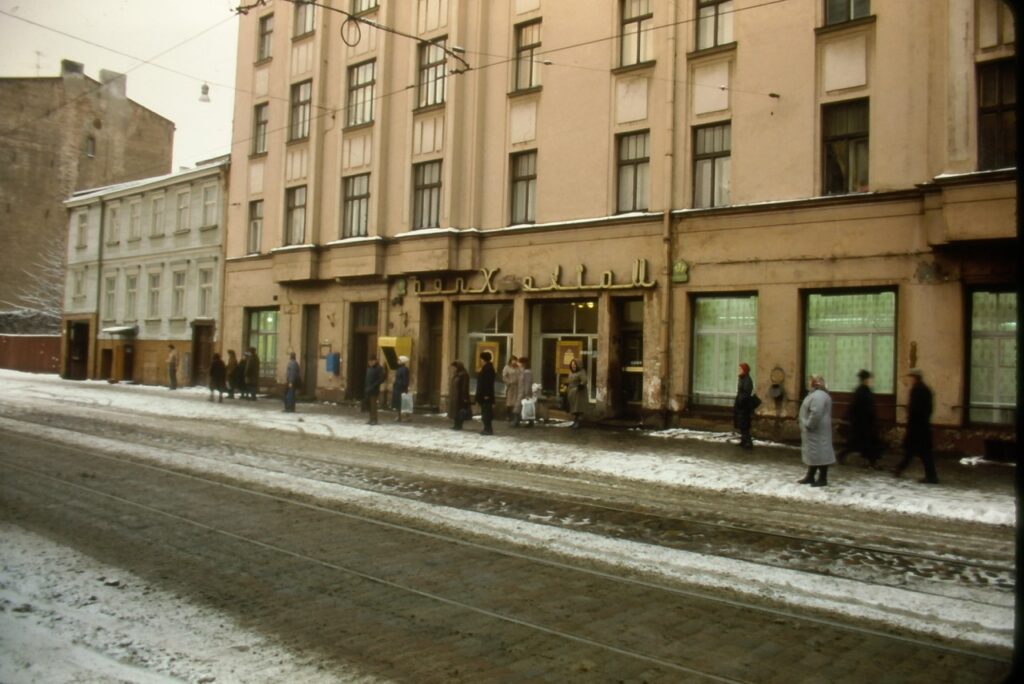
Every trip required preparation, but the greatest concern was not usually what might happen to us. It was what might happen to the people we were going to meet.
The local pastors and church leaders lived under those governments every day. They had families, congregations, neighbors, and responsibilities that remained after we left. Any carelessness on our part could create consequences for them long after we crossed back into the West.
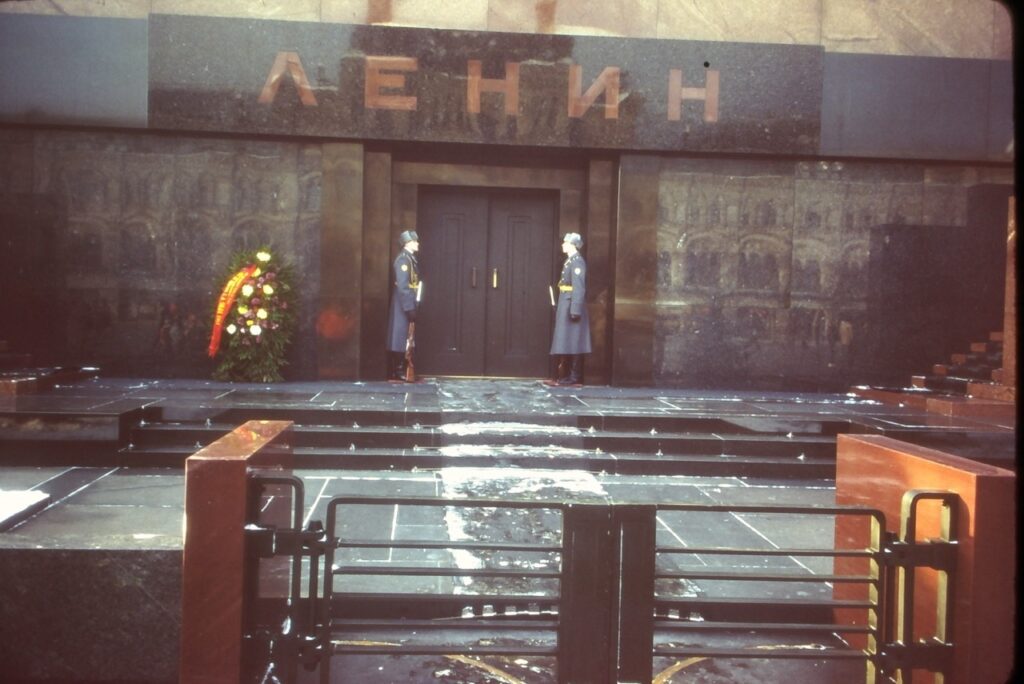
I came to understand that we were temporary visitors, while they had no way to leave. That changed my perspective on risk.
Risk is often discussed as though it belongs only to the person making the decision. In my experience, leadership decisions rarely affect only the leader. They affect employees, partners, families, communities, and people whose names may never appear in the account.
In Eastern Europe, that was not a theoretical concern. It was present in every meeting, every address we carried, and every border we crossed. Under those circumstances, discretion was not fear. It was responsibility.
The training itself was intensive. A missionary might enter a country for several days, meet with a small group, move to another city, and remain in the East for two or three weeks. After returning to Vienna, he would brief the missionaries preparing for the next trip.
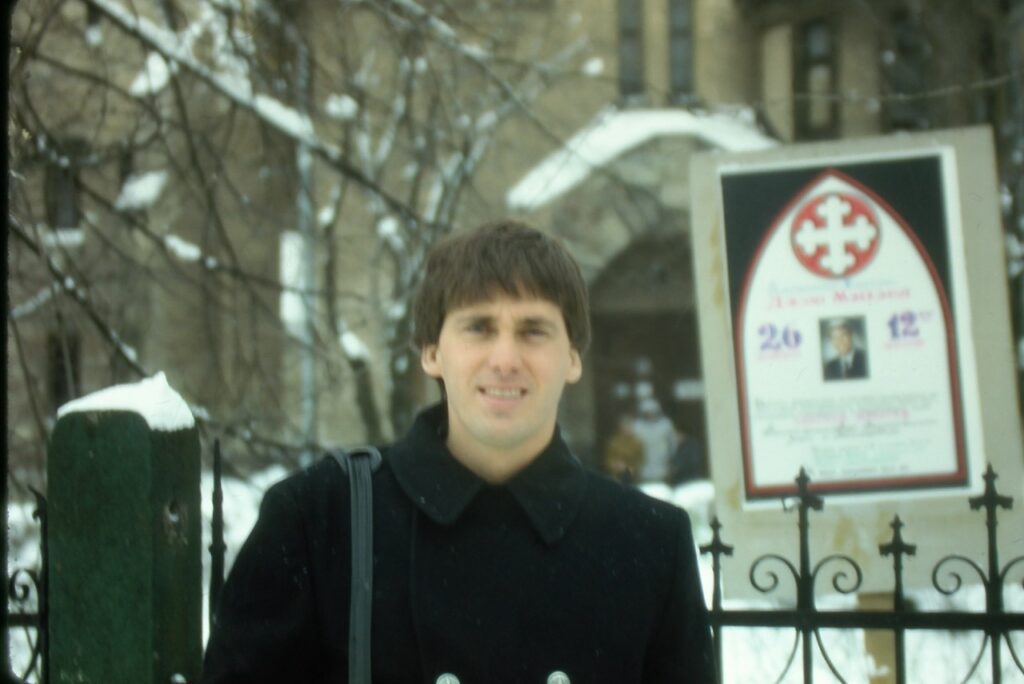
I came to appreciate how much of the ministry depended on those quiet exchanges in Vienna. Before one teacher entered a country, he needed to know what the previous teacher had covered. He needed to understand which questions had been raised, where progress had been made, and what concerns might affect the next visit.
Continuity depended on careful communication and repeated visits. One meeting could encourage someone, but deeper development required returning again and again. In some cases, missionaries sought to meet with the same contacts eight times a year or more.
That pace was expensive and exhausting. The travel placed a heavy burden on the missionaries and on their families. People were constantly moving in different directions toward different countries. Although they belonged to one organization, they did not always experience the daily life of a conventional team.
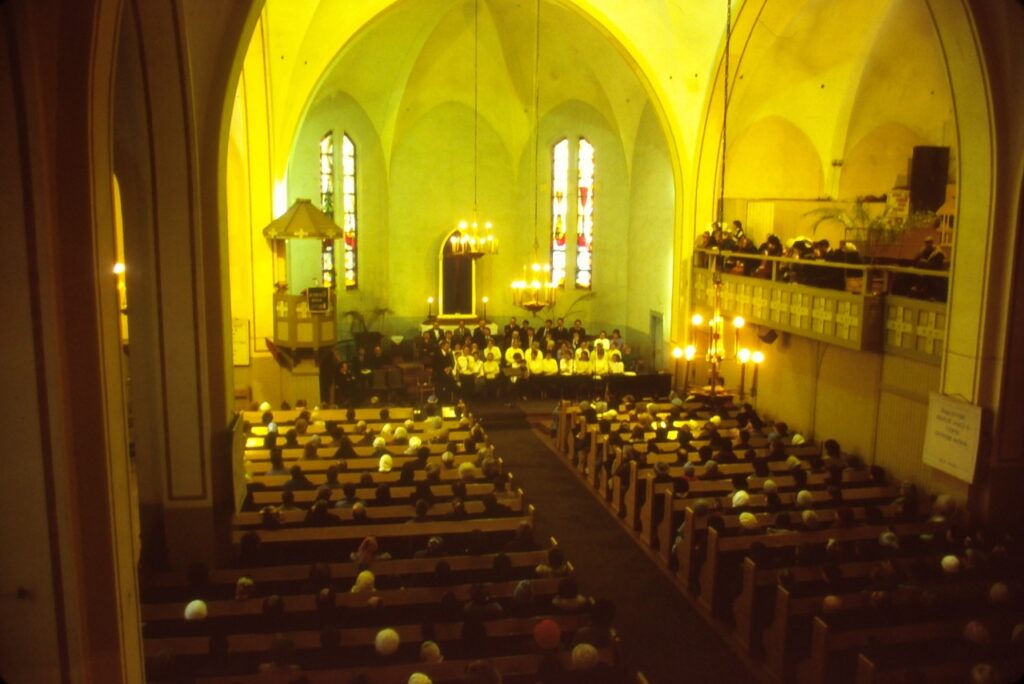
I saw that constraint could create focus. I also saw the cost.
There were other limitations. Some forms of ministry depended upon long-term relationships that could not be built during brief visits. Ten days in a country could not accomplish what living there for a month or a year might have accomplished.
We needed to be honest about that. Faith did not require us to pretend that the limitations were not real.
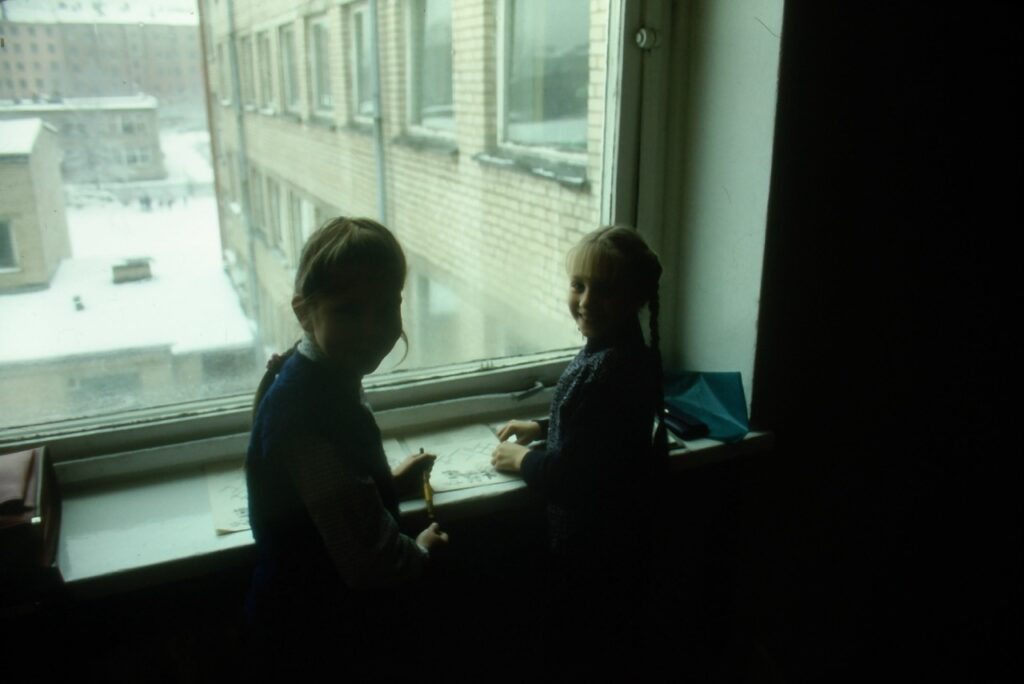
Still, those limitations brought us to an important question. Would the work remain dependent upon visiting Western missionaries, or would local leaders be prepared to carry it forward themselves?
We could visit, teach, encourage, and return. But we could not remain. If the work depended upon our continued presence, it would always remain vulnerable.
The answer had to be local leadership. Responsibility had to be transferred.
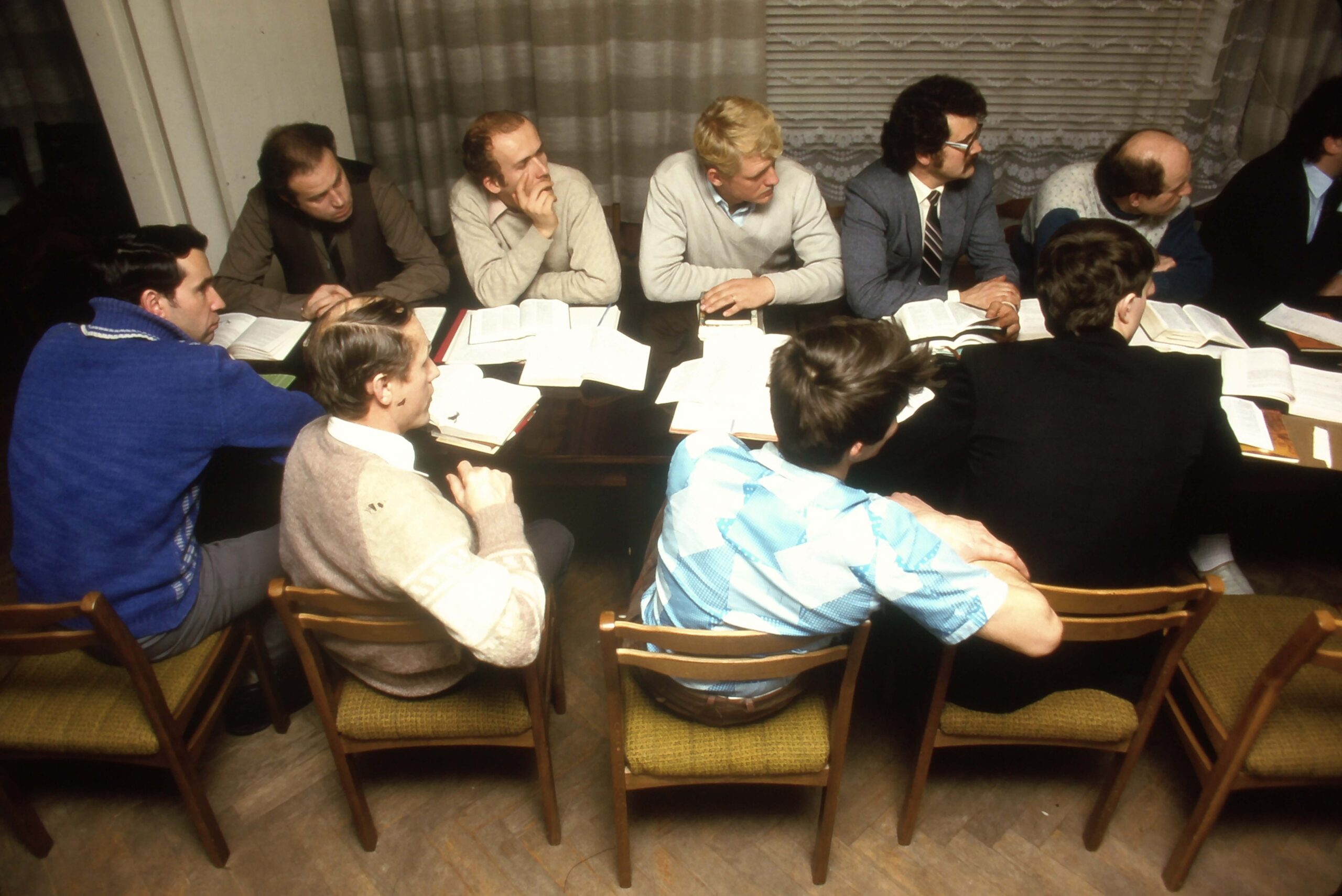
During the early stages of a training group, the visiting teacher might provide most of the instruction. Before long, local believers were encouraged to lead discussions, teach lessons, and work through questions themselves.

That process was not always simple. In many Communist educational systems, disagreement with a teacher was not encouraged. Some of the men we met were unaccustomed to questioning, discussing, or interacting freely with the material. They had often been taught to receive the approved answer.
We were asking them to think.
When they were given permission to ask questions, examine the material, and contribute their own understanding, the response could be remarkable. I began to see that we were not merely passing along information. We were helping people develop the confidence and judgment to carry responsibility without us.
Looking back, that may be one of the most useful leadership lessons I took from those years.
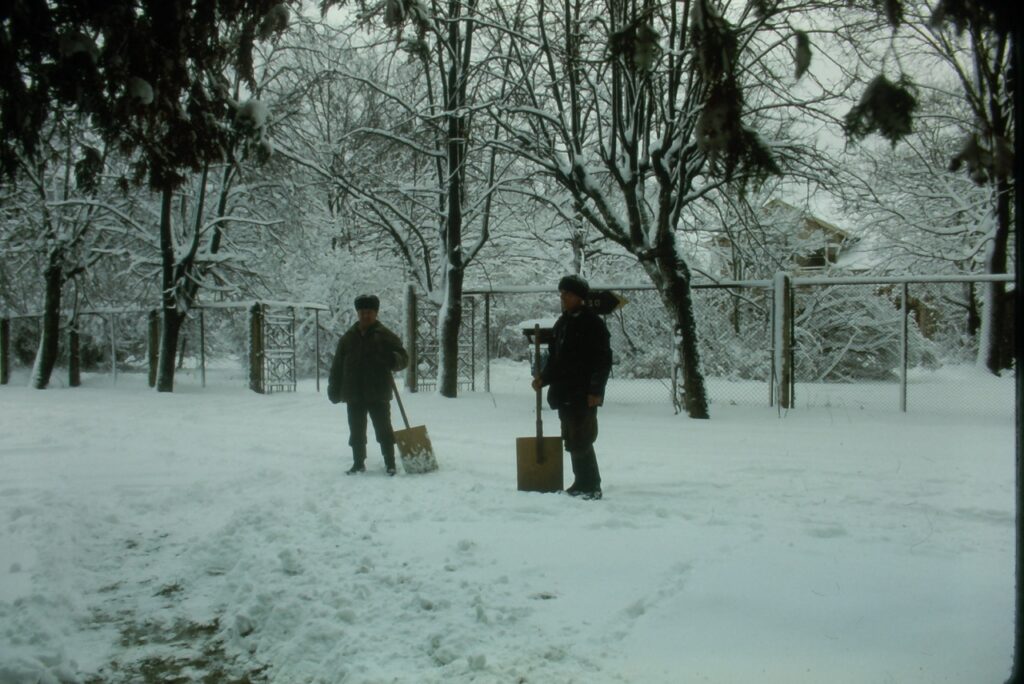
I might have expected difficult conditions to require tighter control. What I saw was often the opposite. When access was limited and the future uncertain, responsibility needed to move closer to the people who understood the circumstances best.
That required trust. It also required the visiting missionaries to accept that the work was not meant to depend upon them indefinitely.
For us, the strongest outcome was not that a missionary had conducted another successful meeting. It was that local leaders were teaching, developing others, and continuing the work after we had gone.
The ministry was succeeding when it no longer depended upon our presence.
That lesson reaches far beyond Eastern Europe. The constraints are different today. They may come through regulation, political instability, limited resources, or rapid changes in a market or industry. But the underlying question remains much the same.
How do you continue when the normal method is no longer available?
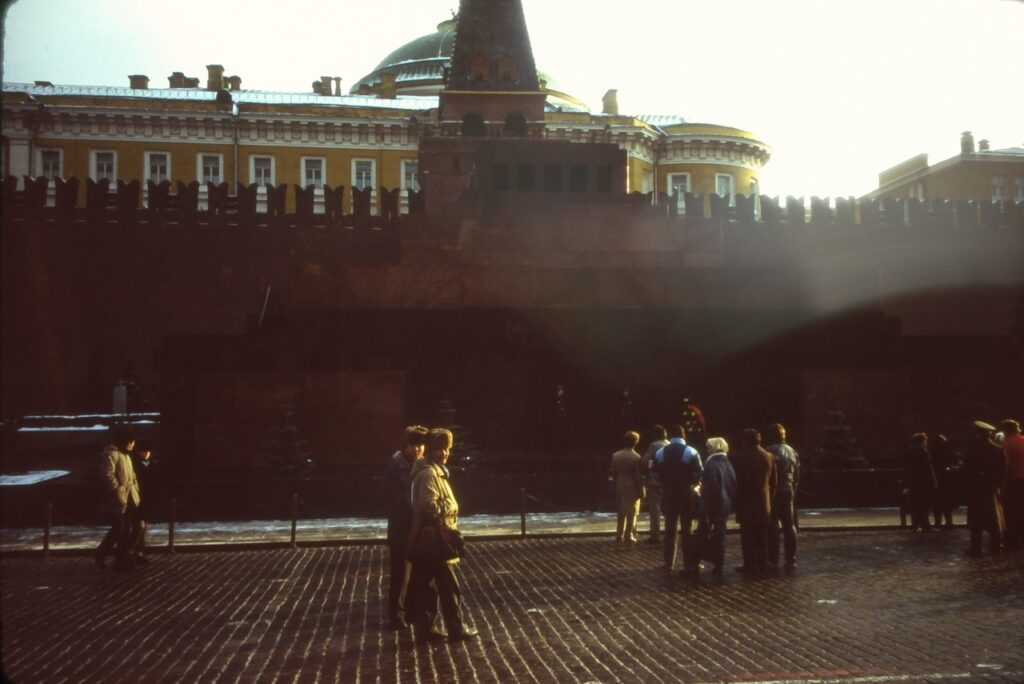
My experience in Eastern Europe taught me that the answer is rarely found in pretending the constraints do not exist. It begins by facing them clearly, adapting the method, protecting those who carry the greatest risk, and placing responsibility close to the work itself.
Faith was important in that process, but not as a reason to ignore practical realities. Faith gave us a reason to continue. Wisdom helped determine how.
There was no perfect system. Some efforts did not develop as we hoped. Some of the people who had been trained eventually moved on to serve through other ministries. The demanding pace took its toll, and the Vienna-based work began to disperse even before the political revolutions of 1989 reshaped Eastern Europe.
At first, that could have looked like a loss. But much of the work continued through the people who had been trained.
That was the point.
Operating under constraint taught me that leadership is not measured only by what can be built when conditions are favorable. It is also measured by what can be entrusted to others when access is temporary, resources are limited, and recognition is unlikely.
Sometimes constraints prevent the work.
But sometimes they reveal how the work should have been done all along.