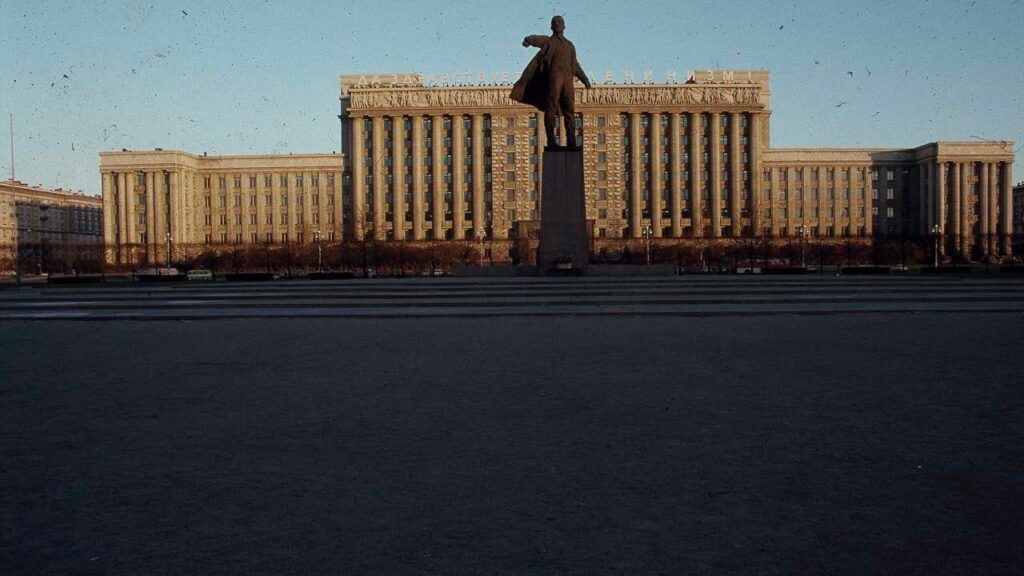

When I was nine years old, my family took me to see The Sound of Music shortly after its release in 1965.
I did not understand all of it. What stayed with me was the idea that a family could be forced to leave their country because of political tyranny. It was the first time I saw Europe not as a place on a map, but as a real and fragile world.
After that, I started reading. World War II. Germany. Austria. The Soviet Union. I was simply curious.
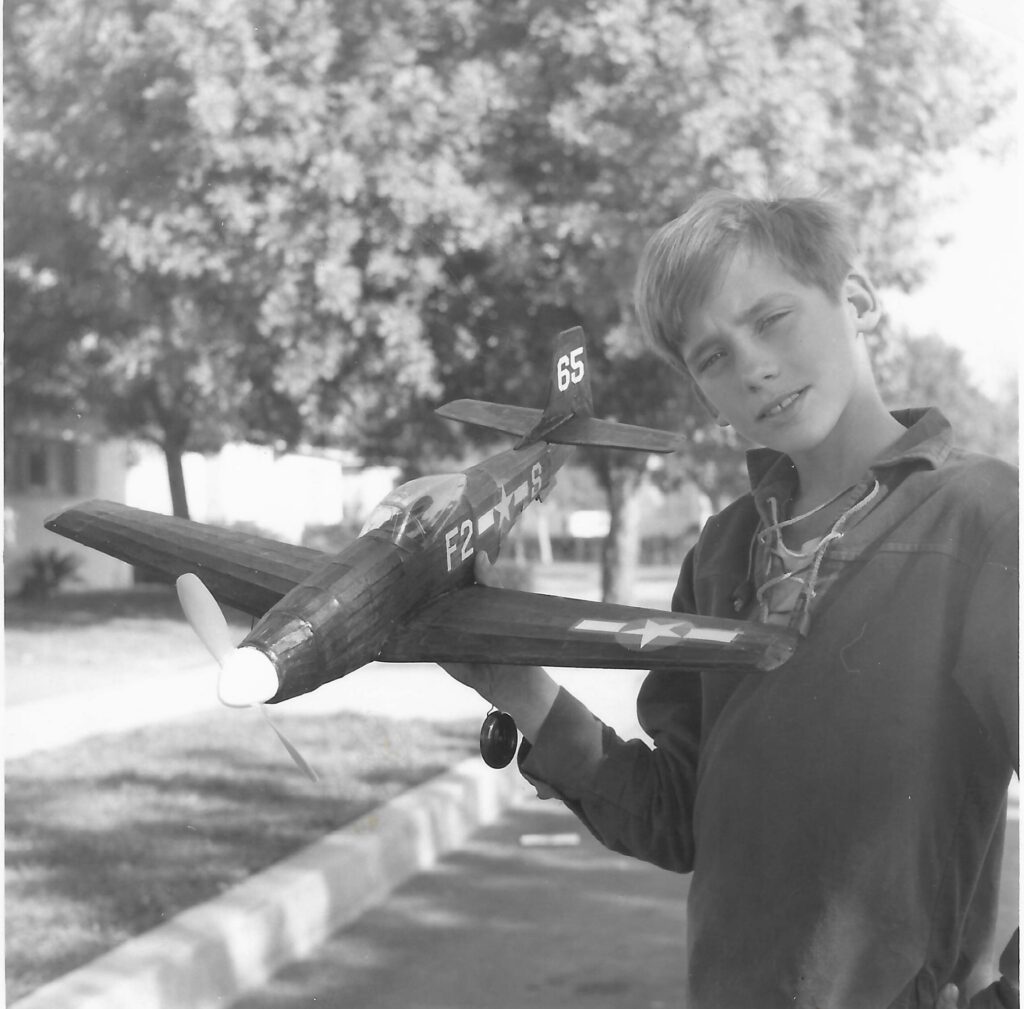
Around age eleven, I began mowing lawns in our neighborhood. One belonged to Joe, an engineer at Lockheed in Burbank. Joe had served in military intelligence during the Korean War. He spoke plainly about the Cold War, about Soviet equipment, about Berlin, about Cuba. There was no drama in the way he told it. Just facts.
I was young, but I listened.
Joe explained how U-2 pilot Gary Powers was shot down over the Soviet Union in 1960. He described the exchange of Powers for Soviet Colonel Rudolf Abel on the bridge between East and West Berlin. He talked about checkpoints, guard towers, divided streets. The Iron Curtain stopped being abstract.
By the time I entered high school, I chose German as my language elective. There was no strategy behind it. I simply followed what held my interest.
Not long after, aviation took hold of me. Through Joe’s connections, I met Zane, who managed a flight school at San Fernando Airport. We made a practical agreement: for every airplane I washed and waxed, I earned one hour of flight instruction.
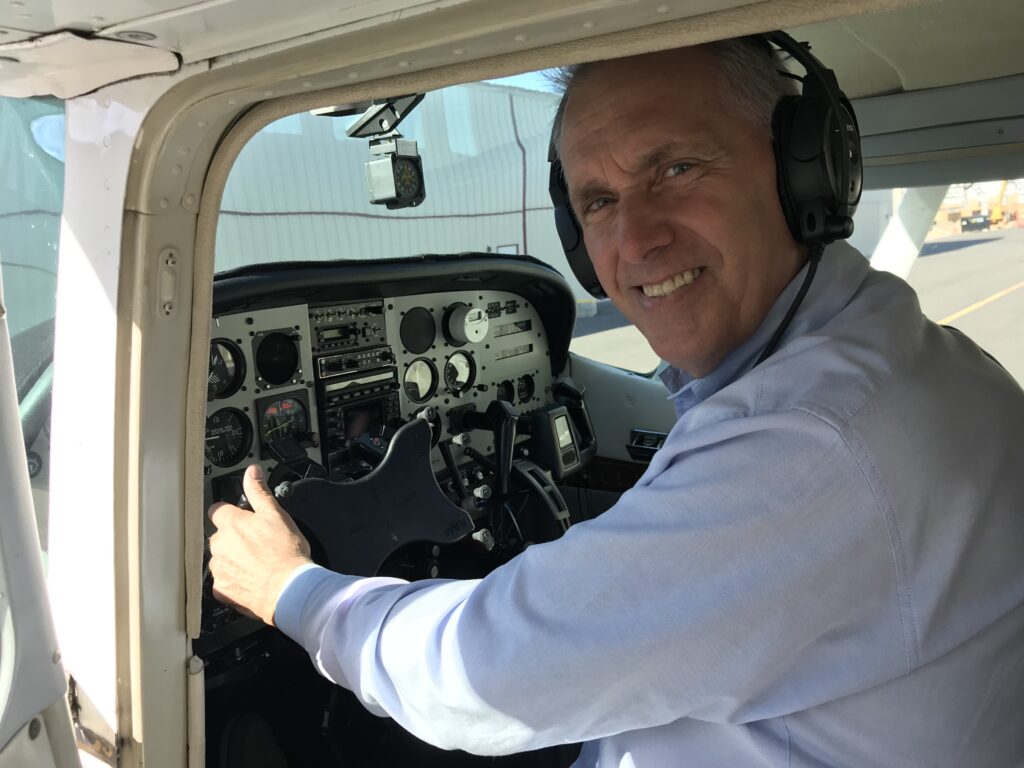
At thirteen, I began logging time in a Cessna 150.
Flying demanded precision. Checklists mattered. Weather mattered. Small mistakes had consequences. I earned my pilot’s license at nineteen, but the discipline formed much earlier, one hour at a time on the flight line.
At fifteen, I rebuilt the engine of a 1958 Volkswagen Karmann Ghia in our garage. I built small rockets and flew model airplanes in the park. I stayed active in sports and the Boy Scouts. I liked understanding how systems worked, whether mechanical or geopolitical.
None of it felt connected.
After reading God’s Smuggler and becoming involved with Eastern European Seminary, my interest in the Soviet world deepened. I began studying Russian privately with a UCLA professor. By then I knew I would be traveling into Eastern Bloc countries. Language was no longer curiosity. It was preparation.
Even then, I did not know where it would lead.
At one point, our organization explored whether aviation could be used to deliver banned Christian books and seminary materials into restricted areas where land routes were monitored. Because of my flight background, I was asked to evaluate the feasibility. We studied airspace patterns, aircraft range, and risk exposure. The initiative carried a code name: Black Sea Vacation.
In the end, we shut it down.
The risk of midair conflict with commercial traffic was too high. The consequences of a mistake were unacceptable.
Not every idea should move forward.
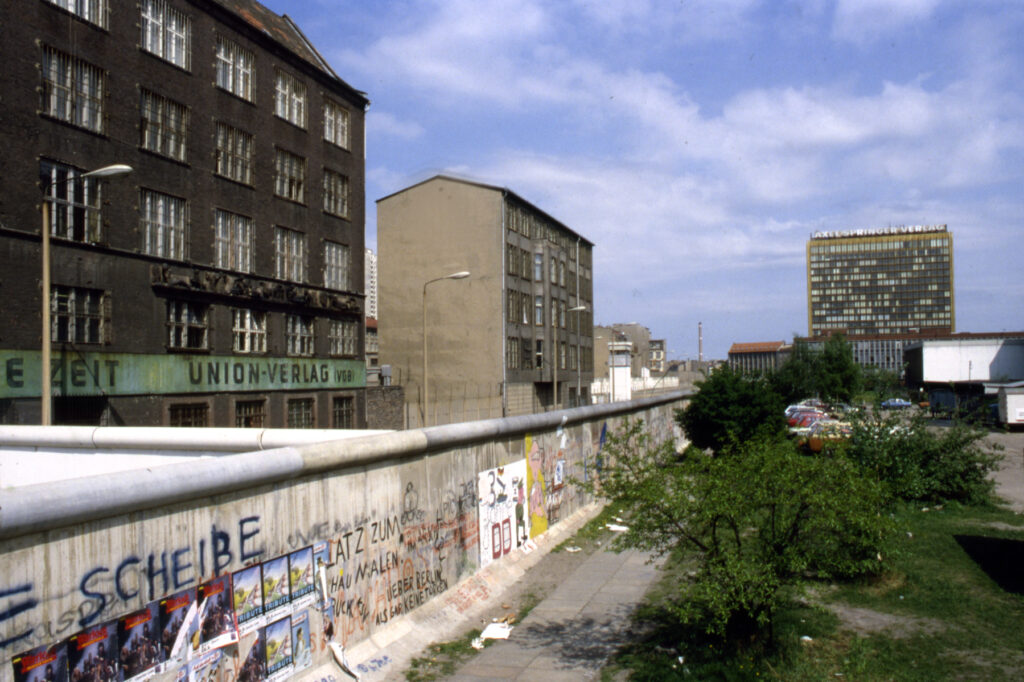
Years later, I traveled into Eastern Europe and walked across the bridge between East and West Berlin. I remembered standing in Joe’s yard, listening to him describe that very crossing. What had once been a story told during a break mowing Joe’s lawn had become physical reality beneath my feet.
Looking back, studying German, listening carefully, learning to fly, rebuilding engines, and studying Russian were not isolated interests. They were disciplines that accumulated quietly over time.
At the time, none of it looked like direction.
Today, many people feel pressure to know exactly where their life is headed.
I understand that pressure.
In my experience, preparation often comes long before clarity.
At nine years old in a movie theater, I did not have a plan. I had curiosity.
That was enough to begin.